CalBike
  • About
  • Advocacy
    • 2025 Legislative Watch
    • Sign-On Letters
  • Resources
    • News
    • Report: Incomplete Streets
    • 2026 California Bicycle Summit
    • Bicycle Summit Virtual Sessions
    • California Bicycle Laws
    • E-Bike Resources
    • Map & Routes
    • Quick-Build Bikeway Design Guide
  • Support
    • Become a Member
    • Business Member
    • Shop
  • Donate
  • Search
  • Menu Menu

Tag Archive for: featured

CalBike’s Work Fuels California’s Bike-Friendly Ranking

April 21, 2022/by Kevin Claxton

California ranked fourth in the League of American Bicyclists’ annual ranking of bike-friendly states, released on April 19, 2022.  Massachusetts, Oregon, and Washington rank first through third.

The League’s report on California referred to many issues that CalBike has successfully campaigned on or is currently advocating for. We know California can do better, and we’re constantly working toward a more bike-friendly state.

Here are some of the ways that CalBike’s work has helped our state retain its high ranking and how we aim to push it even higher.

How CalBike’s advocacy makes California more bikeable

The areas of progress cited in the report are all issues CalBike has worked on. We led the campaign to pass the 3-foot passing law, and we advocate for more funding for bikes in California’s transportation budget every year. That has helped double the Active Transportation Program budget to build more bikeways. Still, we have much more work to balance California’s transportation spending, so it favors biking, walking, and public transit over climate-killing freeway expansion.

The report also cites Caltrans’ progress on Complete Streets, an issue that CalBike has campaigned for and followed closely for several years. And it mentions AB 43, a measure that gives local governments more authority to lower speed limits. CalBike supported that bill, which passed in 2021, and we are now working to develop a user’s guide to AB 43 that will help local officials take back their power by creating slower, safer streets.

The report also cited official Caltrans quick-build guidance that promotes tactics to build safer infrastructure in months rather than years. We helped Caltrans develop that guidance, relying on the expertise we developed in collaboration with Alta Planning + Design. And we produced the Quick-Build Guide: How to Build Safer Streets Quickly and Affordably and a webinar in December 2020 with Alta. CalBike has distributed copies of the guide to local officials across the state, and we continue to send out copies. Request a copy of the quick-build guide for your local planning department.

California got a score of A on traffic laws & practices, policies & programs, and evaluation & planning. But there are areas where the state falls short.

More work needed for biking in California

The state gets a B for education & encouragement, a B- for infrastructure & funding, and the report cited a $2 billion gap in funding in the last ATP round. CalBike’s $2 billion for bikes campaign seeks money to fill that funding gap, bolster the ATP, and build connected bikeway networks. 

But that’s just the beginning. California ranked #7 for the share of people who bike to work (0.87%), illustrating the need for better infrastructure. California ranks 39th in per capita spending on biking and walking, a related problem.

To meet our climate goals, we must realign our transportation spending priorities away from highway-building and toward creating bicycle highways and 15-minute neighborhoods. We are actively pushing for bills to align transportation funding with California’s climate goals and transform regional planning to emphasize bikeable and walkable communities.

Many of California’s negatives relate to Caltrans, and CalBike works with that agency regularly. We have helped push Caltrans to honor its commitment to Complete Streets and improve community engagement. The report also cited California’s outdated Manual on Uniform Traffic Control Devices (MUTCD), which guides local traffic engineers and often hampers reforms that would make communities safer for people on bikes. The MUTCD is an obscure but critical factor in creating bikeable neighborhoods, and CalBike is nerdy enough to have MUTCD reform as one of our priorities. 

In 2021, California had a higher share of bike fatalities than 22 other states in a country with high bicycle fatality rates that are far too high. That figure illustrates why creating safer streets accessible to people of all ages and modes of transportation is a high priority for our advocacy.

CalBike’s success is amplified by a growing alliance of organizations prioritizing traffic safety and bicycle transportation. Our allies include biking and walking groups and NGOs focused on social and environmental justice, climate change, housing, and more. And we couldn’t do it without the large and engaged community of members and supporters, like you, who take the time to write letters, call your representatives, show up at protests and hearings, donate, and get out and ride.
https://www.calbike.org/wp-content/uploads/2019/09/protected-bikeways-act.jpg 684 1024 Kevin Claxton https://www.calbike.org/wp-content/uploads/2018/07/calbike-logo.png Kevin Claxton2022-04-21 17:19:342022-04-22 10:33:06CalBike’s Work Fuels California’s Bike-Friendly Ranking

Bike for the Climate by Riding for CalBike in 2022

April 20, 2022/by Kevin Claxton

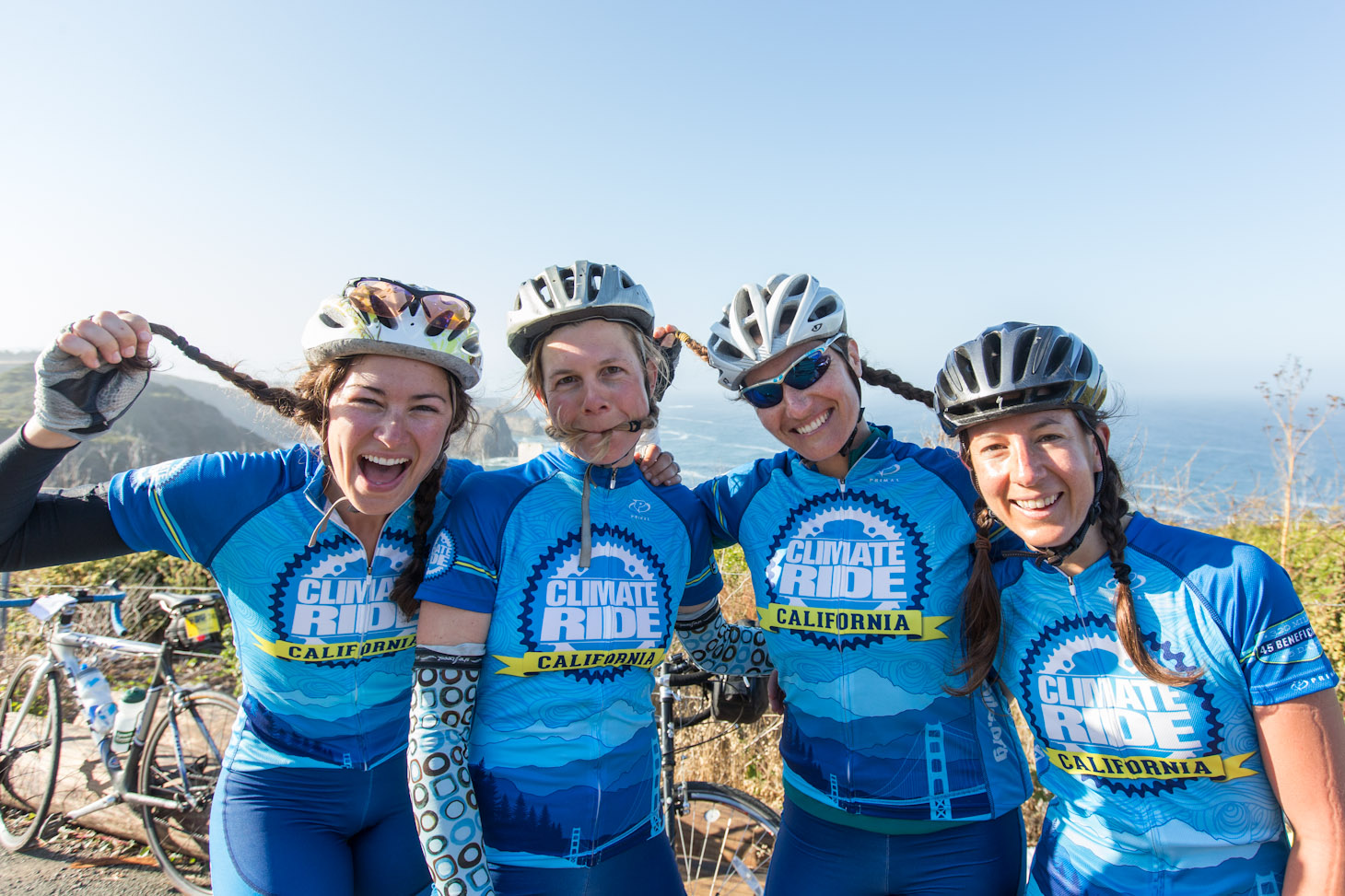
If you’ve been planning a bike tour or trip this year, you can have fun while you raise money and awareness for CalBike’s work through a personal fundraiser with Climate Ride. Our own California Dream Ride will be on hold for another year, so we hope that you will consider participating in one of Climate Ride’s multi-day events in 2022 – whether it is bicycling, hiking, or running. 

Climate Ride logo

What is the Climate Ride?

Climate Ride is a nonprofit organization that organizes life-changing charitable biking, hiking, and running events to raise awareness and support sustainability, active transportation, and environmental causes. Since 2008, Climate Ride participants have helped raise over seven million dollars nationwide, which are granted to organizations working in conservation, climate, sustainability, and active transportation. 

Connect with like-minded people, raise money for nonprofits who are working to create sustainable communities and fight climate change (like CalBike!), and enjoy breathtaking biking and walking tours across the country and world. 

CalBike staffer Kevin Claxton: An unforgettable experience and community

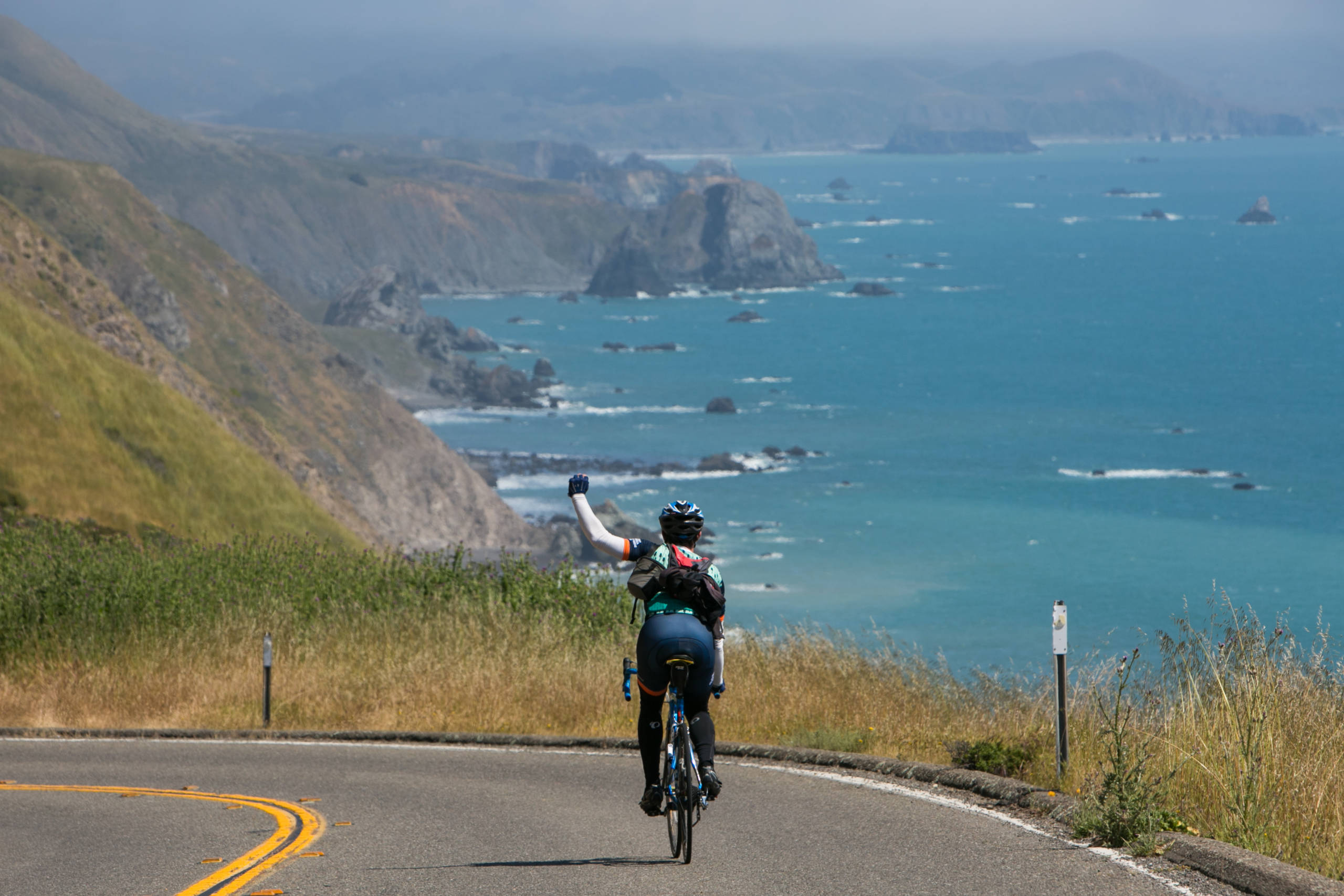
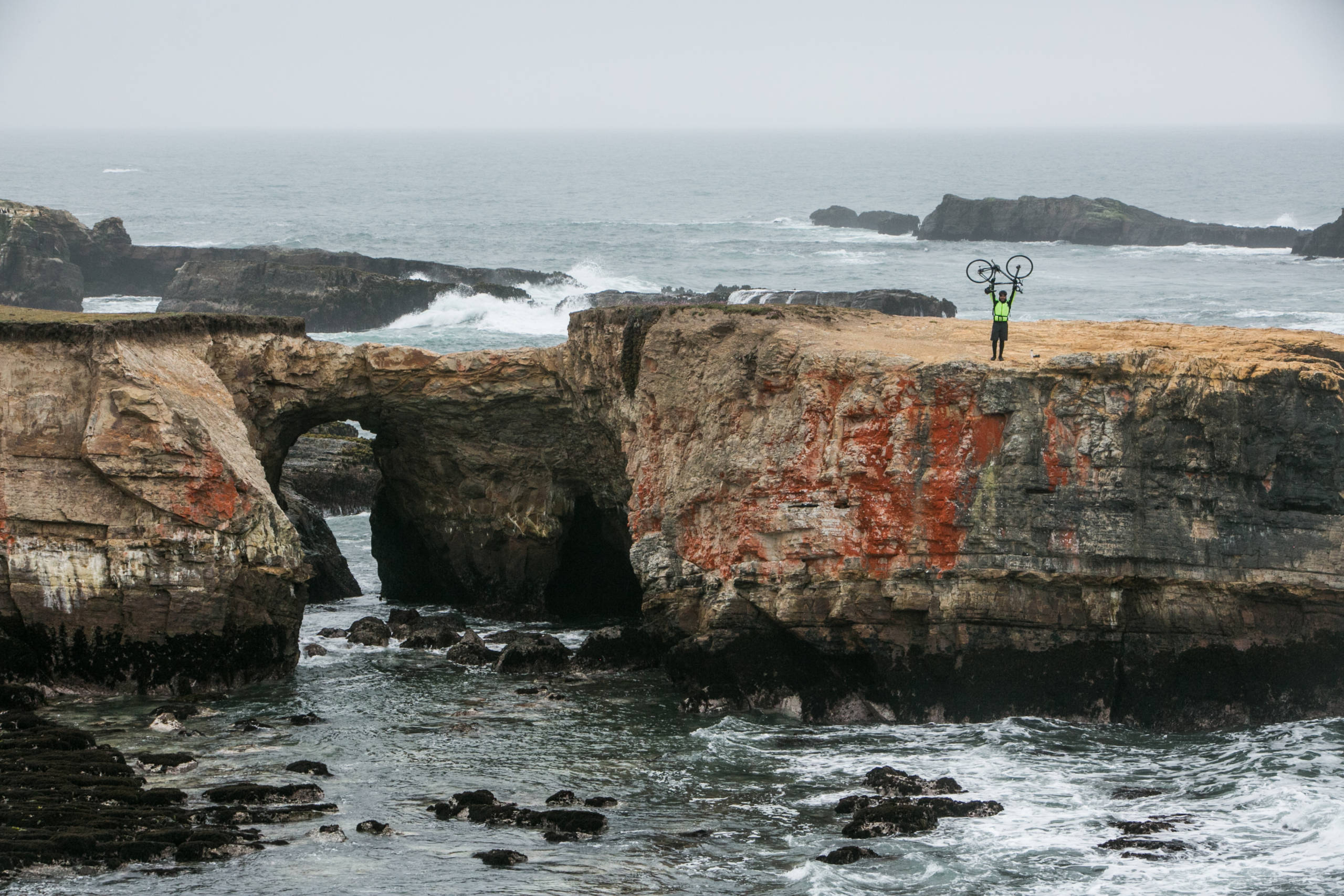
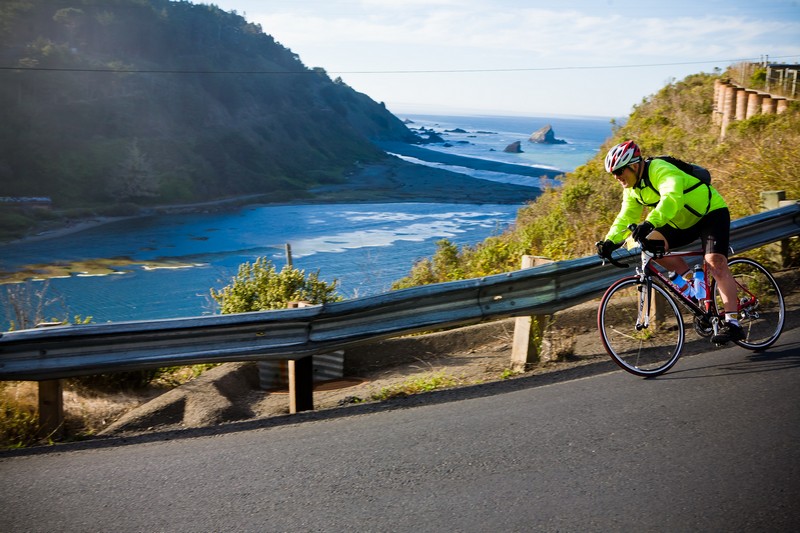
“I had the joy of experiencing Big Sur and the California coastline by bike on Climate Ride’s Central CA Coast ride in June 2019. On the ride, I was joined by 120 other fun and passionate bicyclists who were committed to the idea that they could play a role in transforming our transportation system and protecting our climate.

“The exhilaration I felt climbing up coastal hills and cruising along ocean vistas was matched only by learning of the final impact of my effort. When my teammates and I hit our fundraising goals, our chosen beneficiary organization received a grant of over $50,000 at the end of the year!“

Climate Ride
Climate Ride
Climate Ride

Big Challenge, Bigger Reward

When you sign up for a Climate Ride event, you are taking on a serious challenge. It’s no small feat to train and raise the funds to participate. But the reward far outweighs the effort. 

During the event, you’ll be surrounded by a support team that has thought of every aspect of your participation. Rides feature support such as:

  • Delicious and healthy meals
  • Fully stocked aid stations
  • A tried and tested route
  • A mechanic and ride-along vehicle at the ready, and 
  • A team on the road looking out for your safety. 

Everything you might worry about on a bicycle trip has been taken care of, so your only task is to get out and enjoy the stunning scenery of your chosen destination. 

Climate Ride is offering bike events in the Bay Area, North Coast, and in Death Valley National Park in 2022. And if you’re looking to get out of California, you might consider a tour of the San Juan Islands and Olympic Peninsula in Washington, or a 4-day tour of cycling routes in Maine. No matter where you ride, you can still choose CalBike as a beneficiary.

Climate Ride
Climate Ride
Climate Ride

Raise money for CalBike and to protect our planet

Just choose CalBike as a beneficiary when you register for one of the events listed below. You can join us in the fight against climate change, and the fight for a sustainable and equitable active transportation system. 

As the leading voice for bicycling in California, CalBike is working to elevate bicycling change our transportation policies to support an equitable, environmentally sustainable, and safe future for our planet

Climate Ride is an amazing way to use your passion for riding bikes for positive change and enjoy an incredibly fun adventure. We encourage you to take the challenge. These transformative events have the power to make a huge difference, and you are sure to build new friendships and connections along the way. 

https://www.calbike.org/wp-content/uploads/2022/04/Climate-Ride-we-can-do-it.jpeg 1055 2000 Kevin Claxton https://www.calbike.org/wp-content/uploads/2018/07/calbike-logo.png Kevin Claxton2022-04-20 16:45:452022-04-20 16:45:47Bike for the Climate by Riding for CalBike in 2022

California Ranks Fourth Most Bicycle Friendly State in 2022

April 19, 2022/by Laura McCamy

For Immediate Release: 4/19/22

Contact:
Dave Snyder, CalBike, 916-251-9433, dave@calbike.org

California Ranks Fourth Most Bicycle-Friendly State in League of American Bicyclists 2022 Report

Sacramento, Calif. – California took 4th Place in the annual ranking of Bicycle Friendly States by the League of American Bicyclists released today in Washington, D.C.

The state Report Card found in today’s report praises California for…
“…significant advances in bicycle policy in recent years, but those advances must be institutionalized more thoroughly in local Caltrans offices and in funding decisions made by Caltrans and the state legislature. For example, while California’s Active Transportation Program has expanded in recent years, it still fails to meet the demand for biking and walking investments with a nearly $2 billion gap in funding in the last application round.”

CalBike’s $2 Billion for Bikes campaign aims to fill the funding gap identified by the League. Many excellent projects in the Active Transportation Program didn’t get funded in the last cycle due to lack of budget. Governor Newsom and the legislature have, so far, tentatively committed to $1.1 billion in additional funding for biking and walking infrastructure in the next fiscal year, which is an encouraging first step, but California needs more. 


Dave Snyder, executive director of CalBike, said of the League’s report:

“California being named the fourth most bike-friendly state is wonderful news. But California can and should be the MOST bike-friendly state in the nation. The pandemic showed us that Californians love to bike recreationally. But more Californians would love to use bikes for commuting and shopping too, if they felt the streets were safe enough. 

“While funding for bicycles in California has increased recently, we are still ranked at 39th in per capita spending and 23rd in safety nationwide. To catch up, let’s invest $2 billion in safe bikeways that reach destinations where people want to go. By vastly expanding our bike infrastructure, California can become the climate and equity leader we claim to be.“

https://www.calbike.org/wp-content/uploads/2021/12/2B-for-bikes.jpeg 1150 2125 Laura McCamy https://www.calbike.org/wp-content/uploads/2018/07/calbike-logo.png Laura McCamy2022-04-19 10:59:502022-04-19 10:59:52California Ranks Fourth Most Bicycle Friendly State in 2022

Recap of the 2022 California Bicycle Summit

April 15, 2022/by Laura McCamy

The California Bicycle Summit took place April 6 to 9 in Uptown Oakland, with sold-out attendance and rave reviews for fantastic sessions and events. 

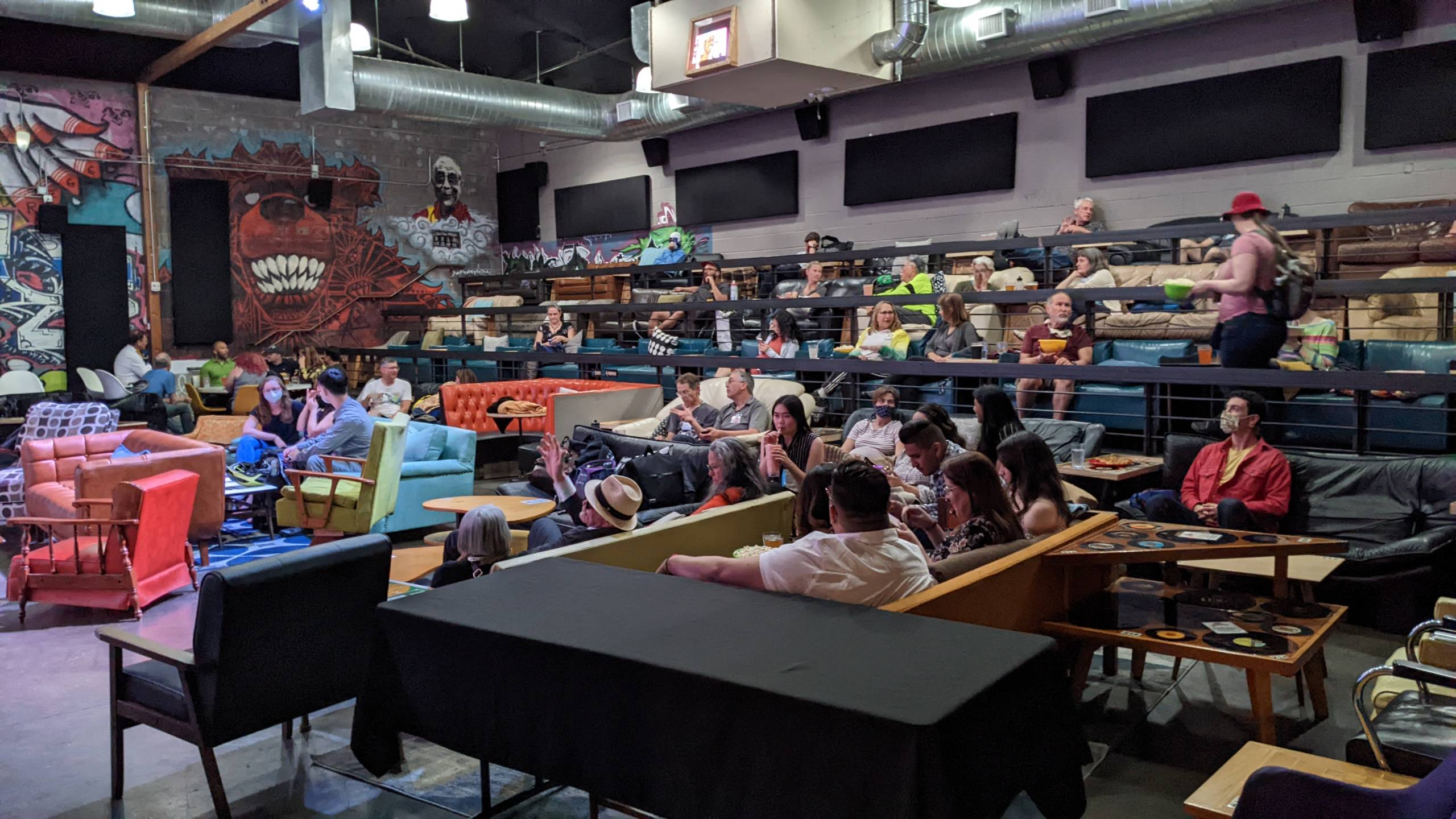
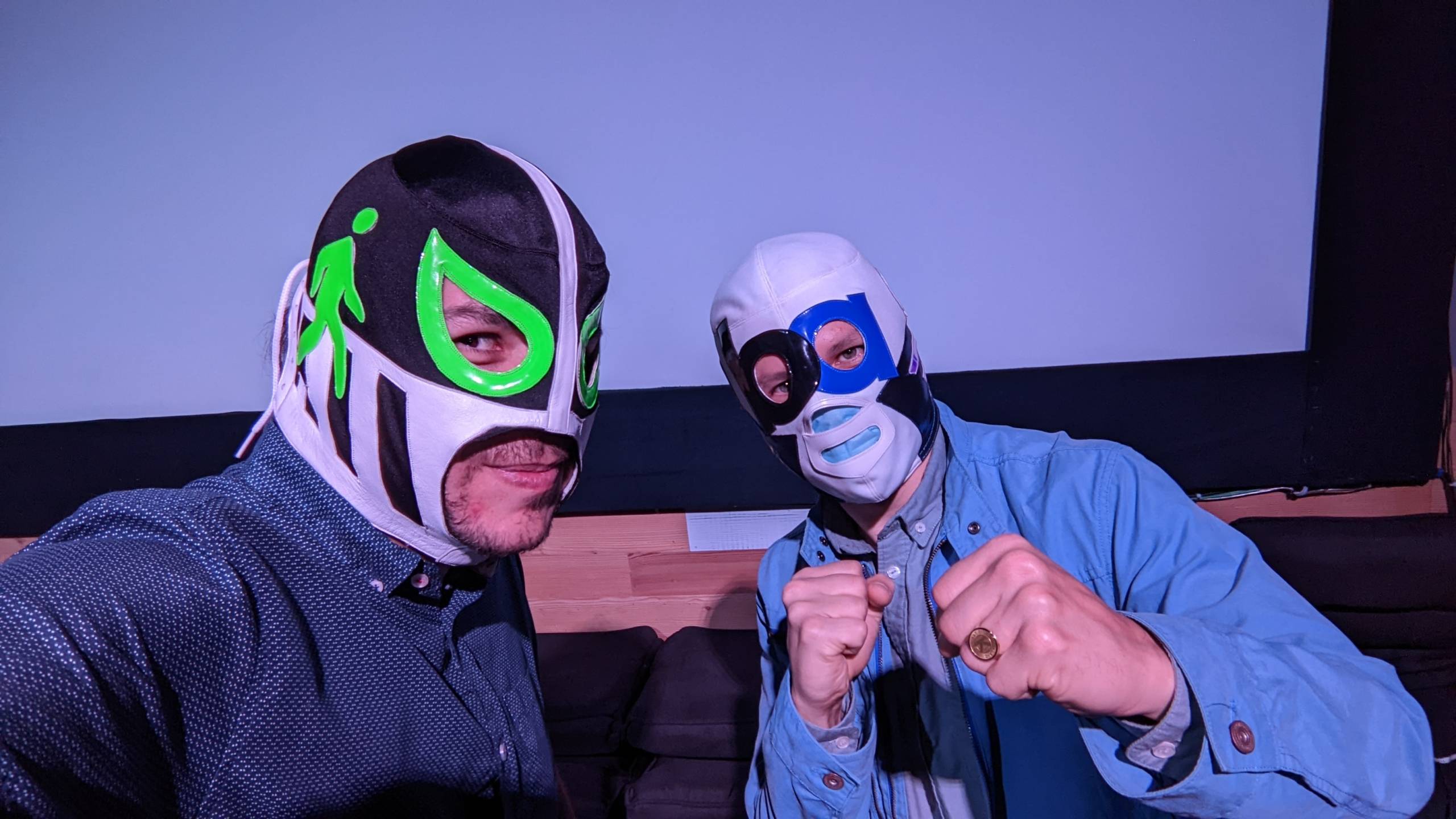
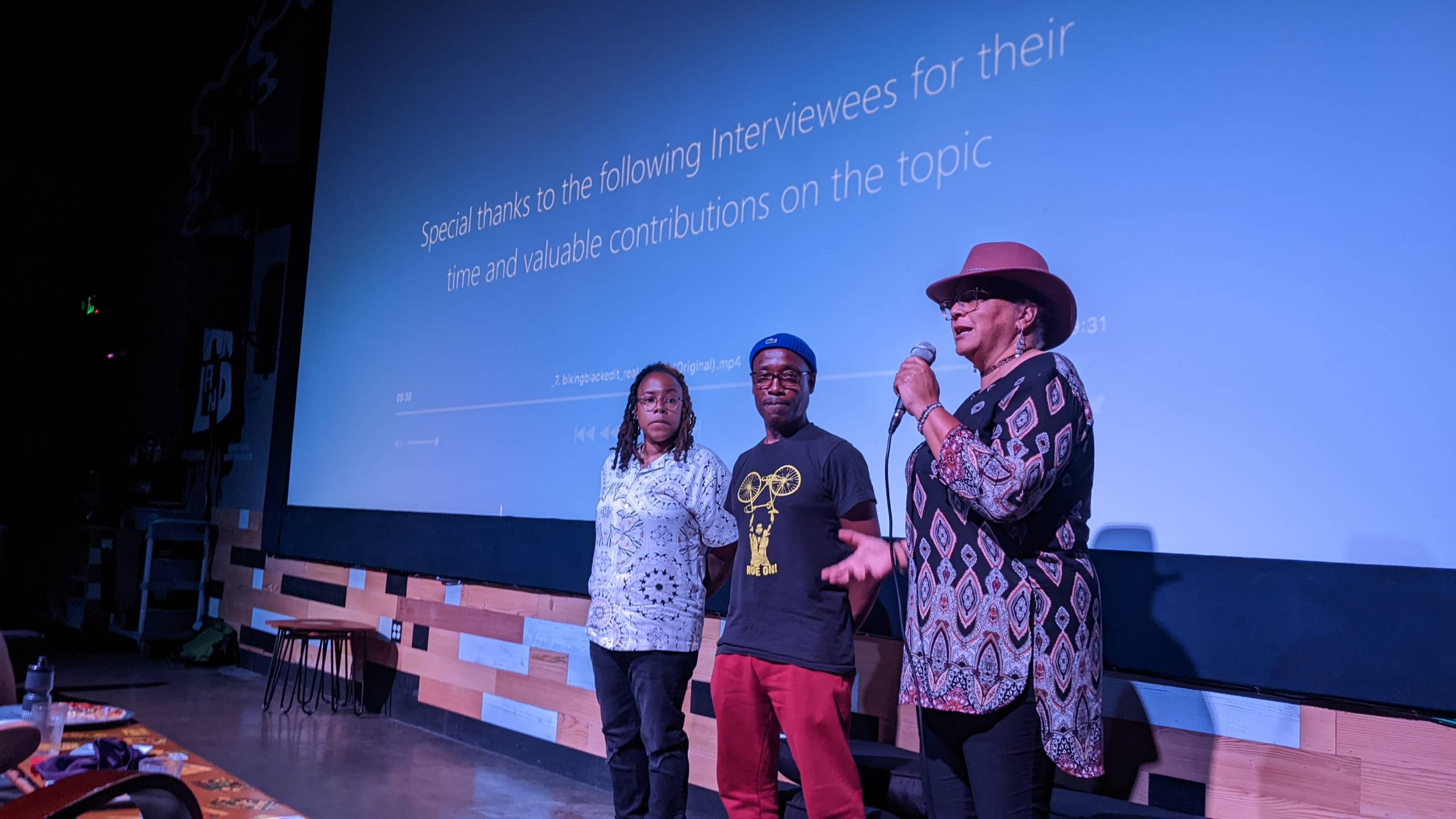
The Summit began on Wednesday night with a fantastic night of movies at the New Parkway Theater. The rich and inspiring program of bicycle shorts included Spokespeople, a documentary exploring bicycle communities and safety in Los Angeles. There was also a short video of San Francisco activists blocking car traffic when cars park in the bike lane, holding up signs that said, “We’ll just be a minute,” a short feature about the Scraper Bike Team, and Biking While Black, a powerful documentary by CalBike’s own Yolanda Davis-Overstreet. Many of the filmmakers and the people featured in the films were in the audience and the night included lively Q&As between films.

Photos by Jorge Cáñez

The opening plenary makes history

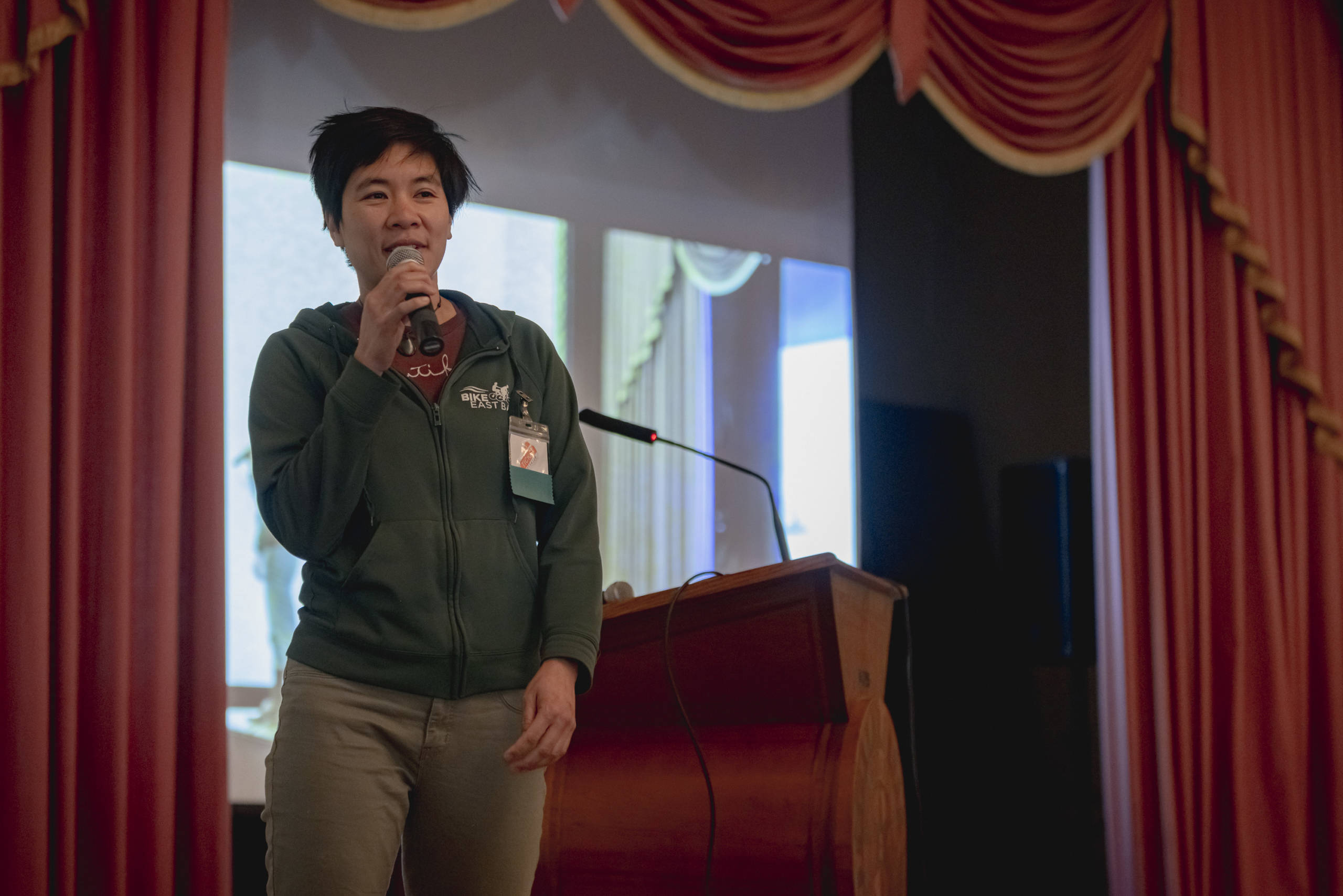
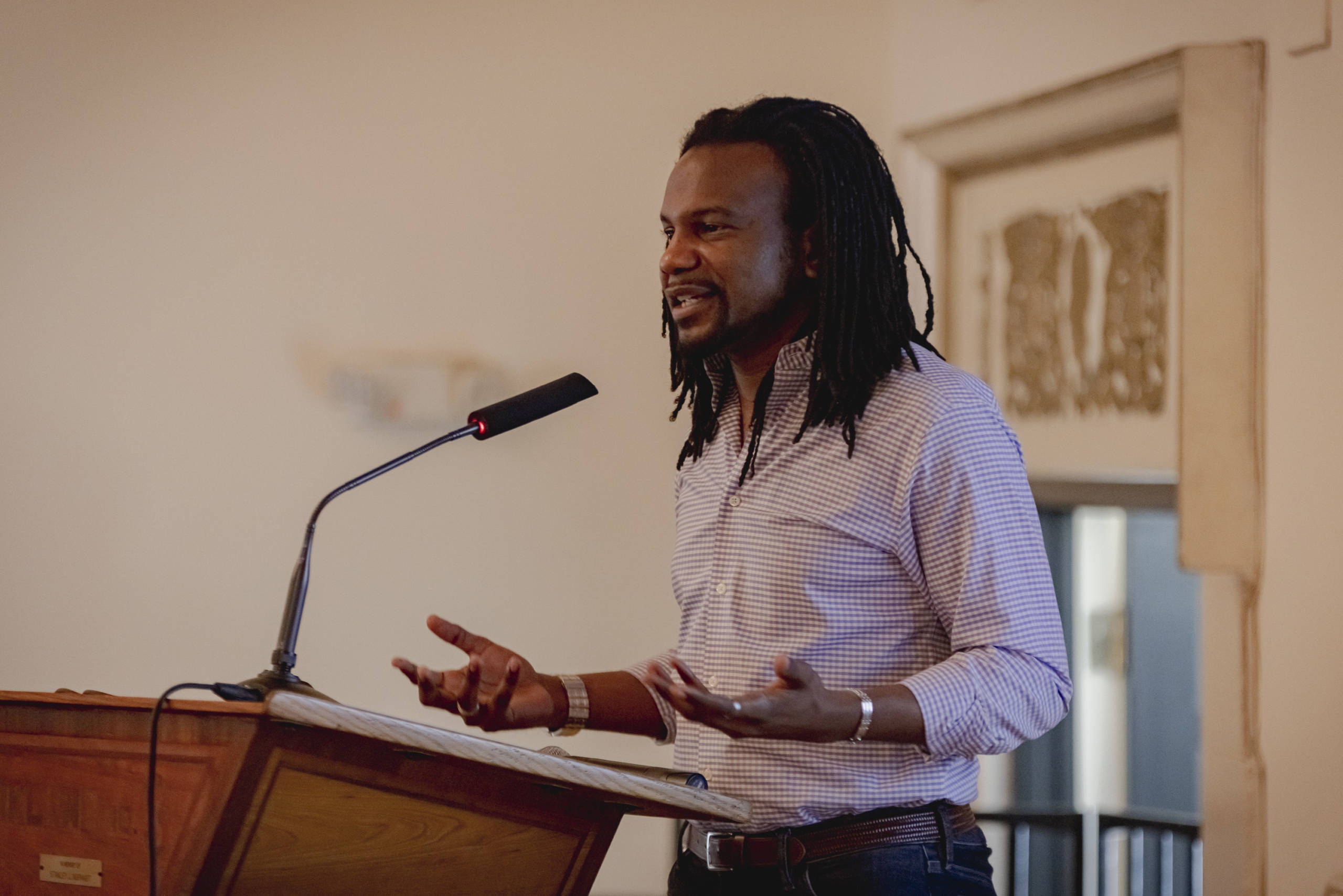
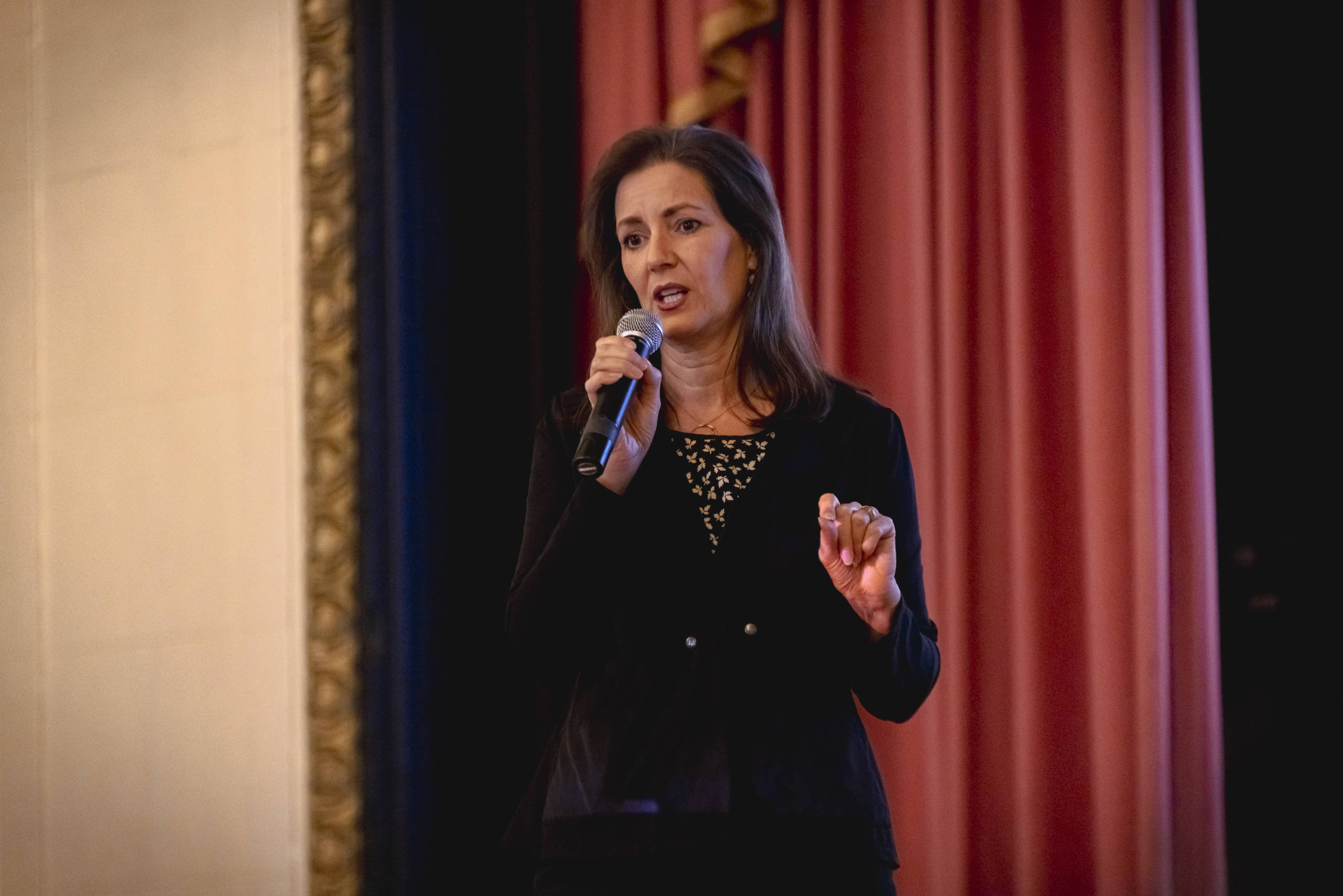
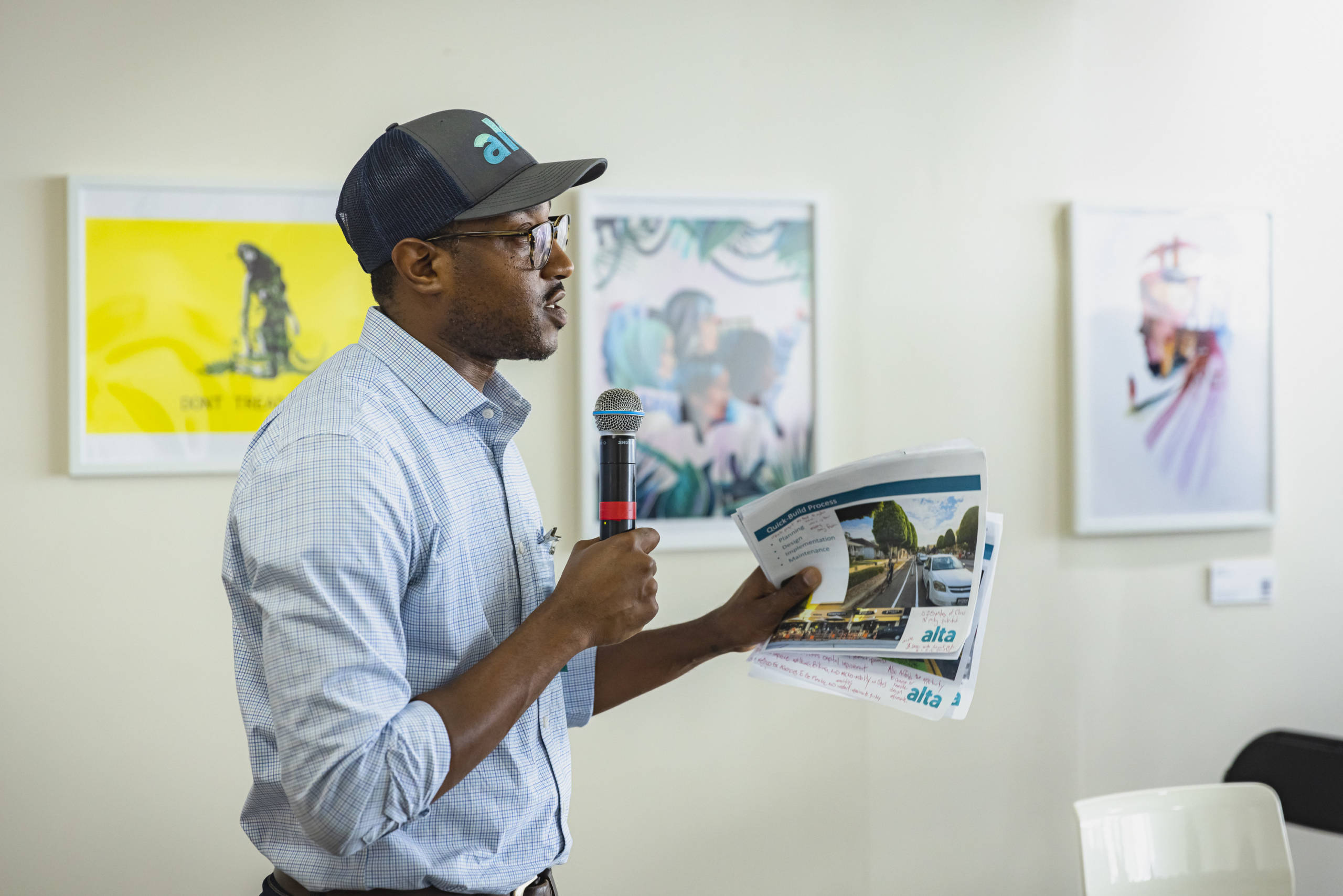
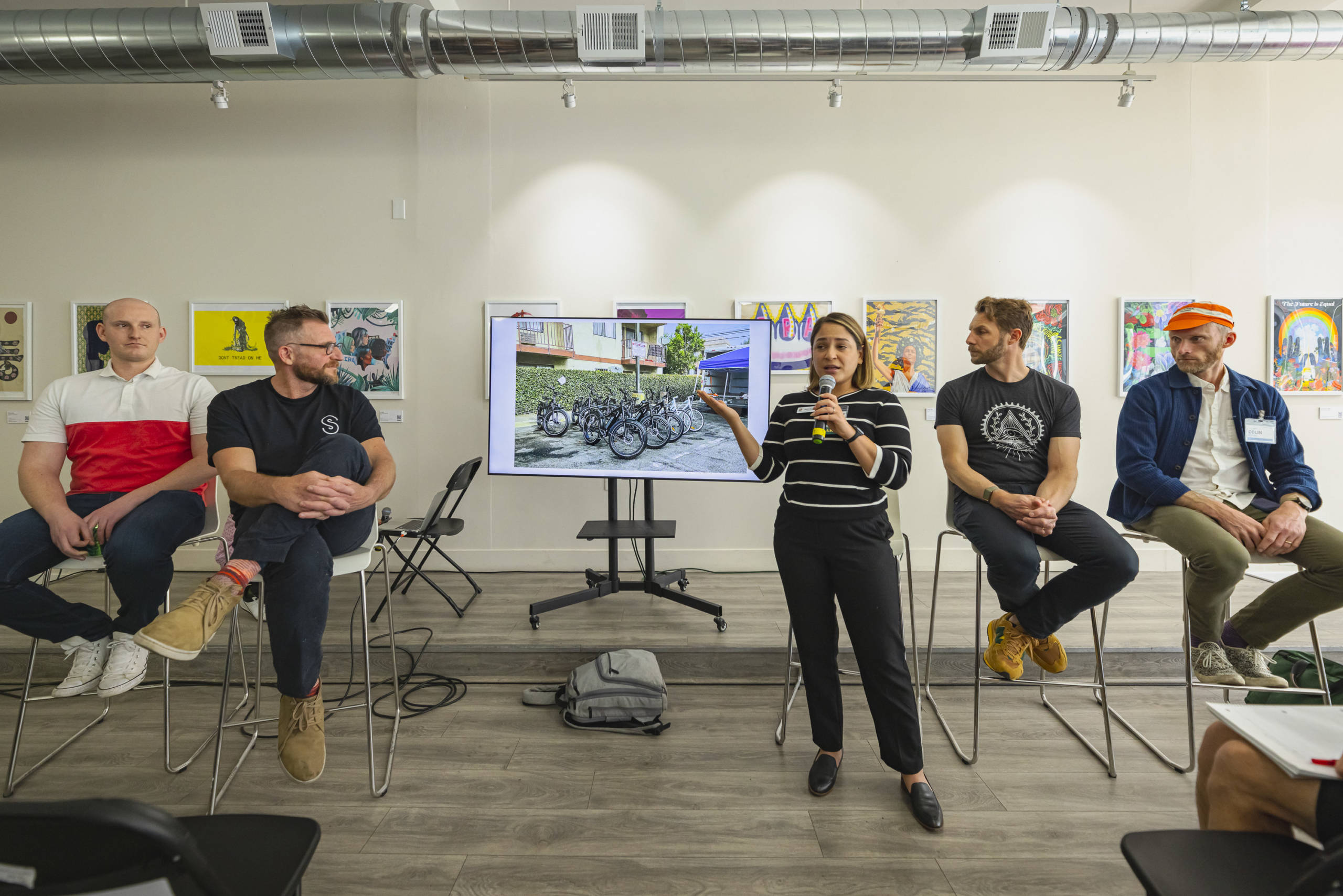
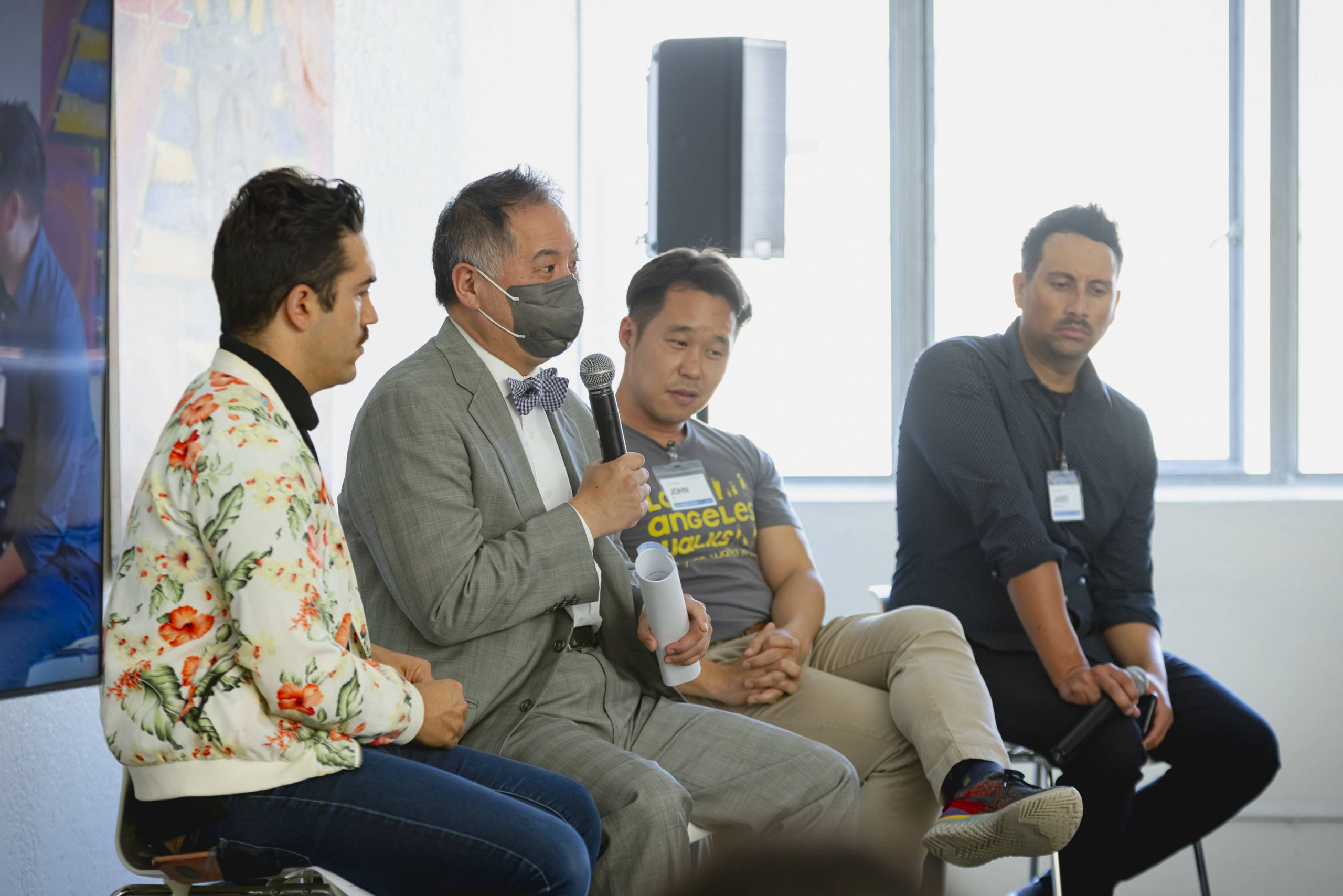
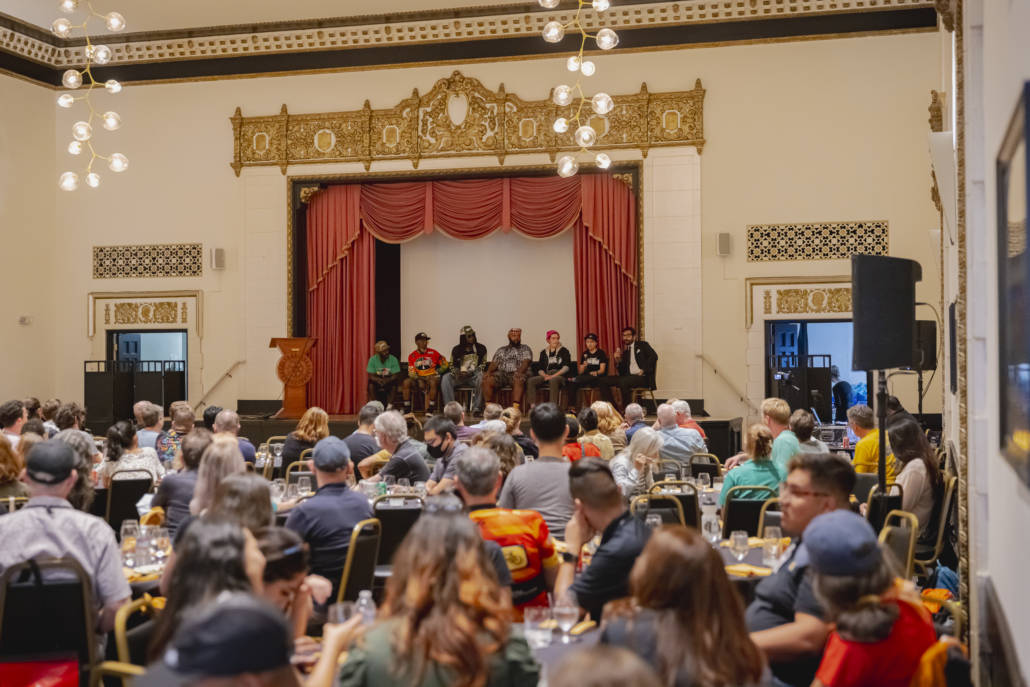
On Thursday, the California Bicycle Summit started with a plenary that included a welcome from Oakland Mayor Libby Schaaf, Bike East Bay Executive Director Ginger Jui, and CalBike Board President Cynthia Rose. The owner of Oakstop, the venue that hosted all Summit sessions except the movie night, Trevor Parham, gave a moving speech about growing his Black-owned business in Oakland and using his locations to create a sense of place and community. Oakstop made a terrific partner, with a wonderful venue where every meeting room was enlivened by walls covered with paintings by local artists.

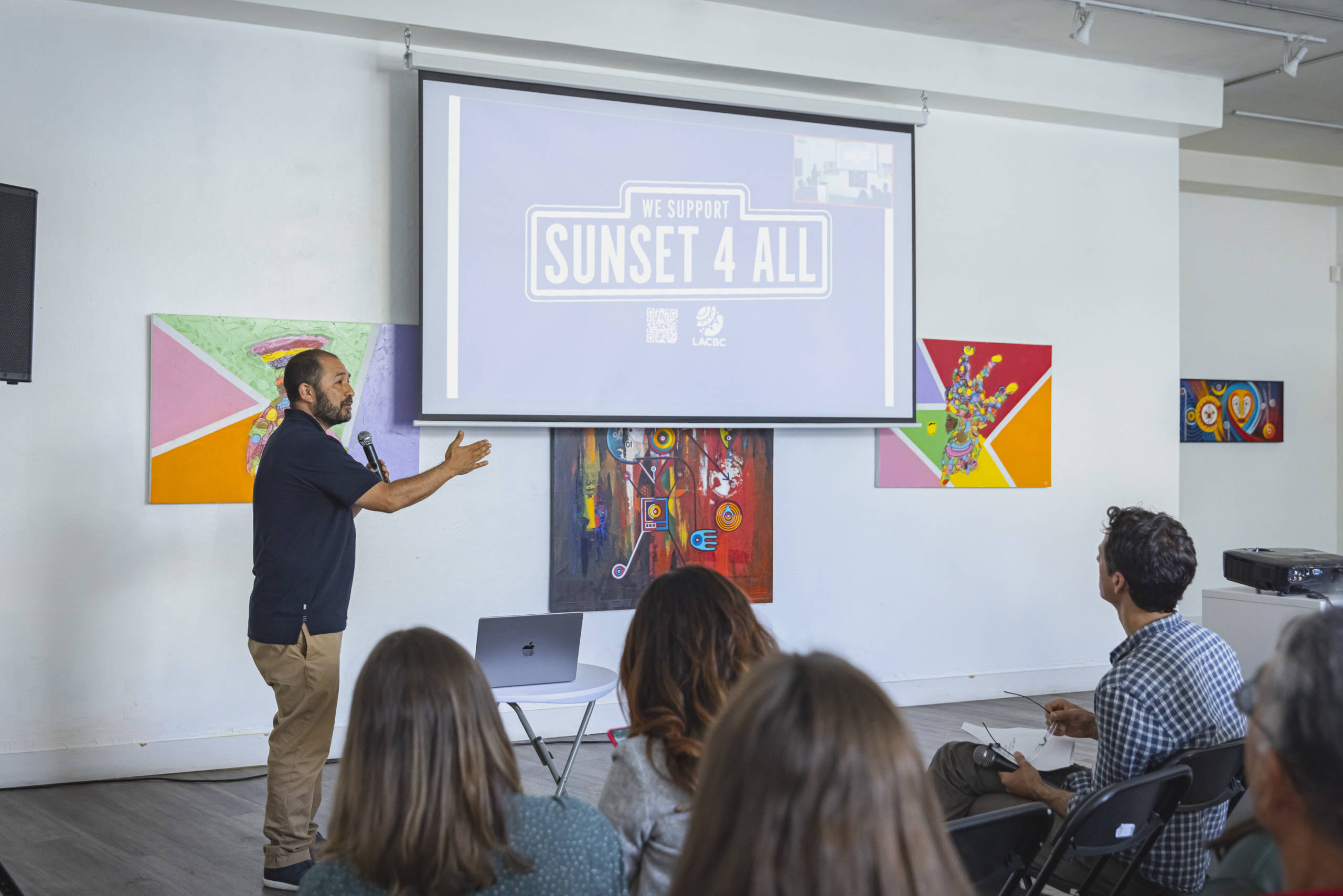
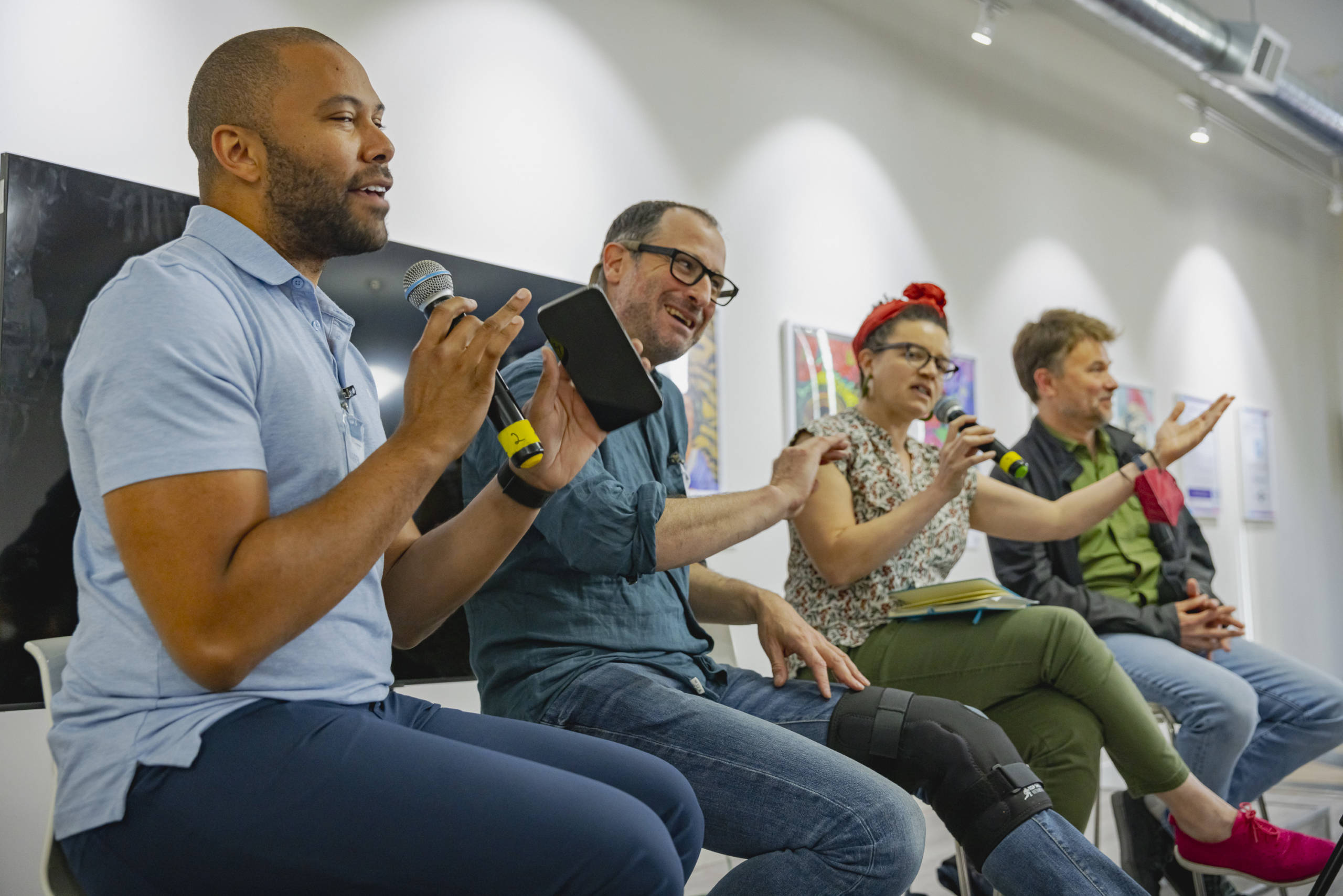
Assemblymember Laura Friedman, Chair of the Assembly Transportation Committee and a champion of bicycling, spoke at the plenary by video. California Secretary of Transportation Toks Omishakin appeared via videolink and also took questions from attendees. The session ended with a panel discussion about why it’s taking so long to create the world biking advocates want to see and what we can do to speed the timeline.

Photos by Evan Dudley

My first Summit – too much! great information, friendly, helpful atmosphere was infectious, supporting the theme of “Connecting”- made connections with people, with intersection of many issues presented. Bravo! Look forward to the next one, hoping it’ll be public transitable.

MaryAnn Furda, 350 Bay Area

The opening plenary session was notable not just because it demonstrated the growing support for biking among elected officials and agency heads, but also because we were able to share some good news. State officials present confirmed that the $500 million announced by Governor Newsom as part of the gas tax relief package was not the same $500 million boost to the Active Transportation Program included in his January budget proposal. It was in addition to that. With the $100 million from that January proposal for HSIP, the Governor has announced a total of $1.1 billion toward better biking and walking in California, so CalBike and our allies are halfway to our goal of getting $2 billion for bikes in the state’s next budget.

Breakout sessions and second plenary inform and inspire

There isn’t room here to go into detail about all the fantastic breakout sessions on topics including a new paradigm for safe streets among state leadership, next steps in mobility justice, connecting housing policy with biking, and so much more. Videos of most of the sessions will be available on CalBike’s website in a few weeks, and we’ll be covering some of the exciting takeaways from the breakouts in upcoming blog posts.

Photos by Evan Dudley

“Last year was both inspiring and bruising, as two of our bills, the Safety Stop and a bill to legalize safe mid-block street crossings, got vetoed by the governor. Both those bills are back for a second try and it was great to reunite with our allies from last year, including Assemblymember Phil Ting. The Summit energized me and gave me hope for the year ahead.”

Jared Sanchez, Senior Policy Advocate, CalBike

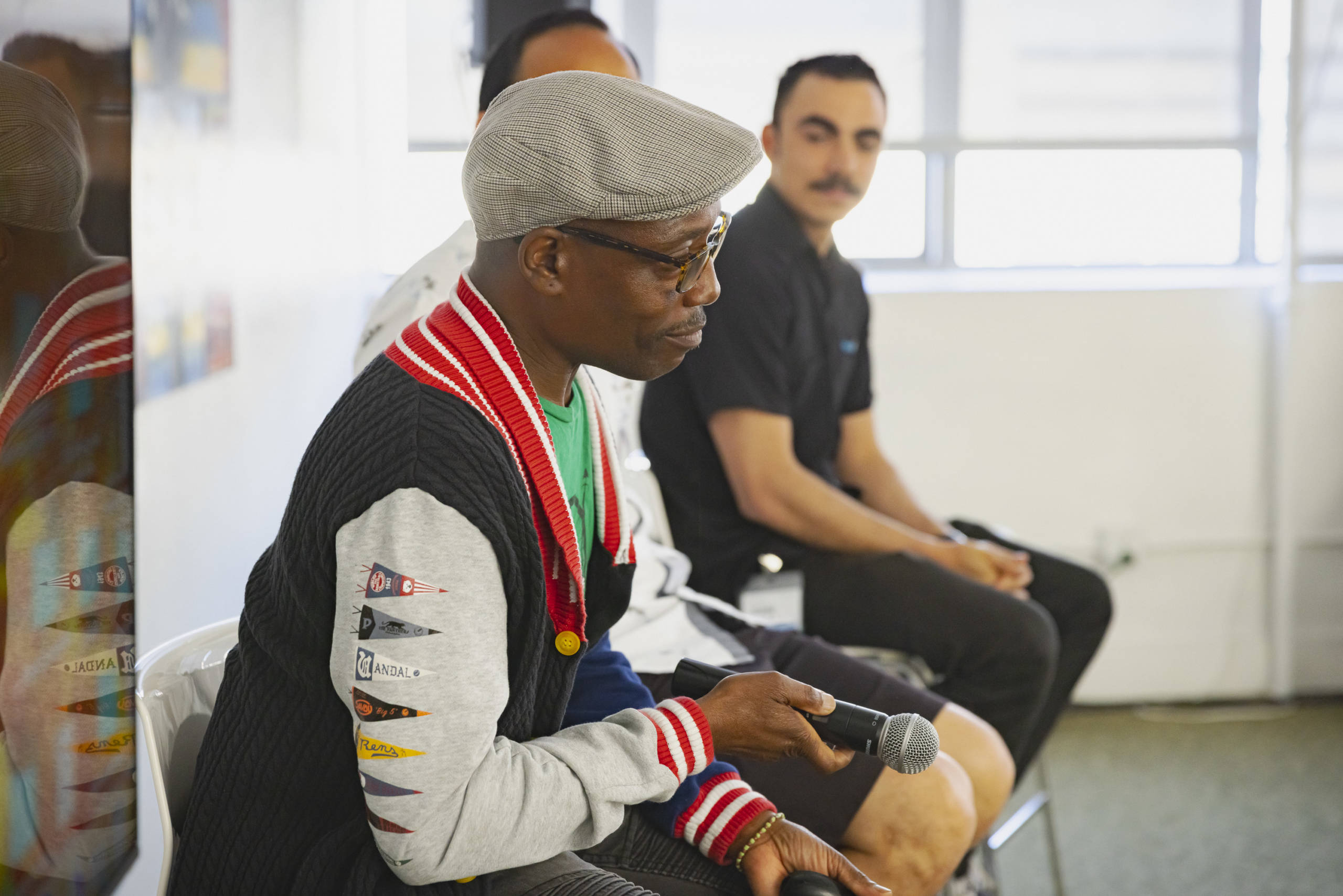
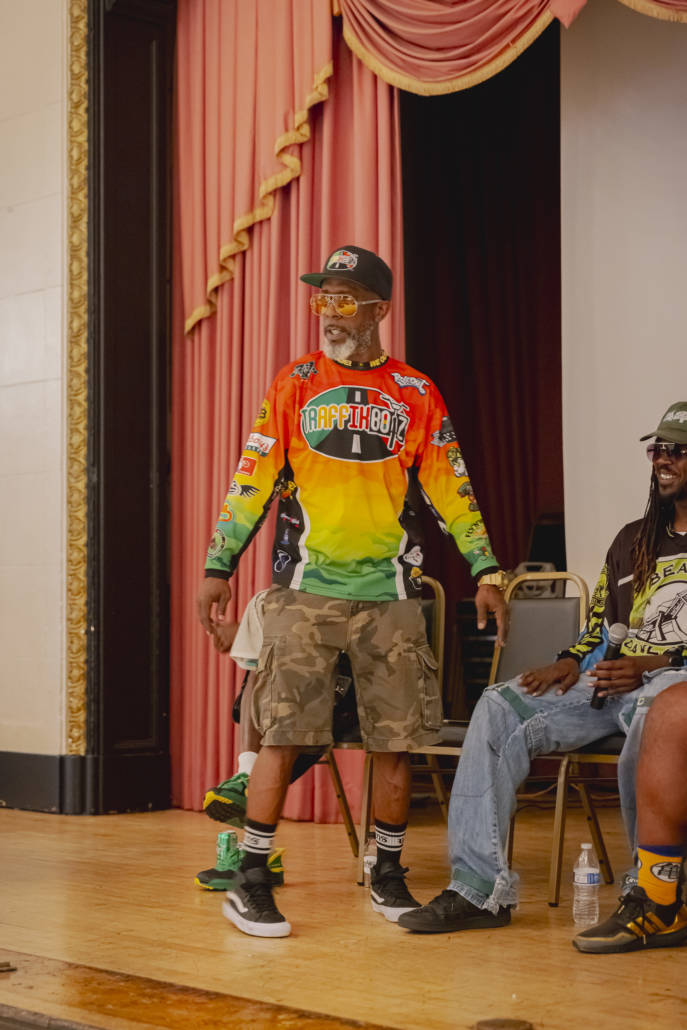
A lunch plenary on Friday brought members of diverse and subversive bike communities onstage to talk about the ways that riding together builds community and enhances safety in the RideOut panel.

The California Bike Summit always brings together the widest range of speakers, private and public entities to discuss and challenge our thinking of all things related to cycling. I always find the summit to be a the best couple of days to learn, challenge my thinking and engage with thought leaders.  Lee Jones @ BCycle 

Lee Jones @ BCycle 
Lunch plenary 2 Summit 22
Photos by Evan Dudley

Summit attendees came from a wide spectrum of backgrounds, including students, Caltrans employees, community leaders, and local bike advocates. This conference broke the mold of a typical bike advocacy gathering with an engaged crowd that was diverse in race, ethnicity, and gender.

Rides and wrap up

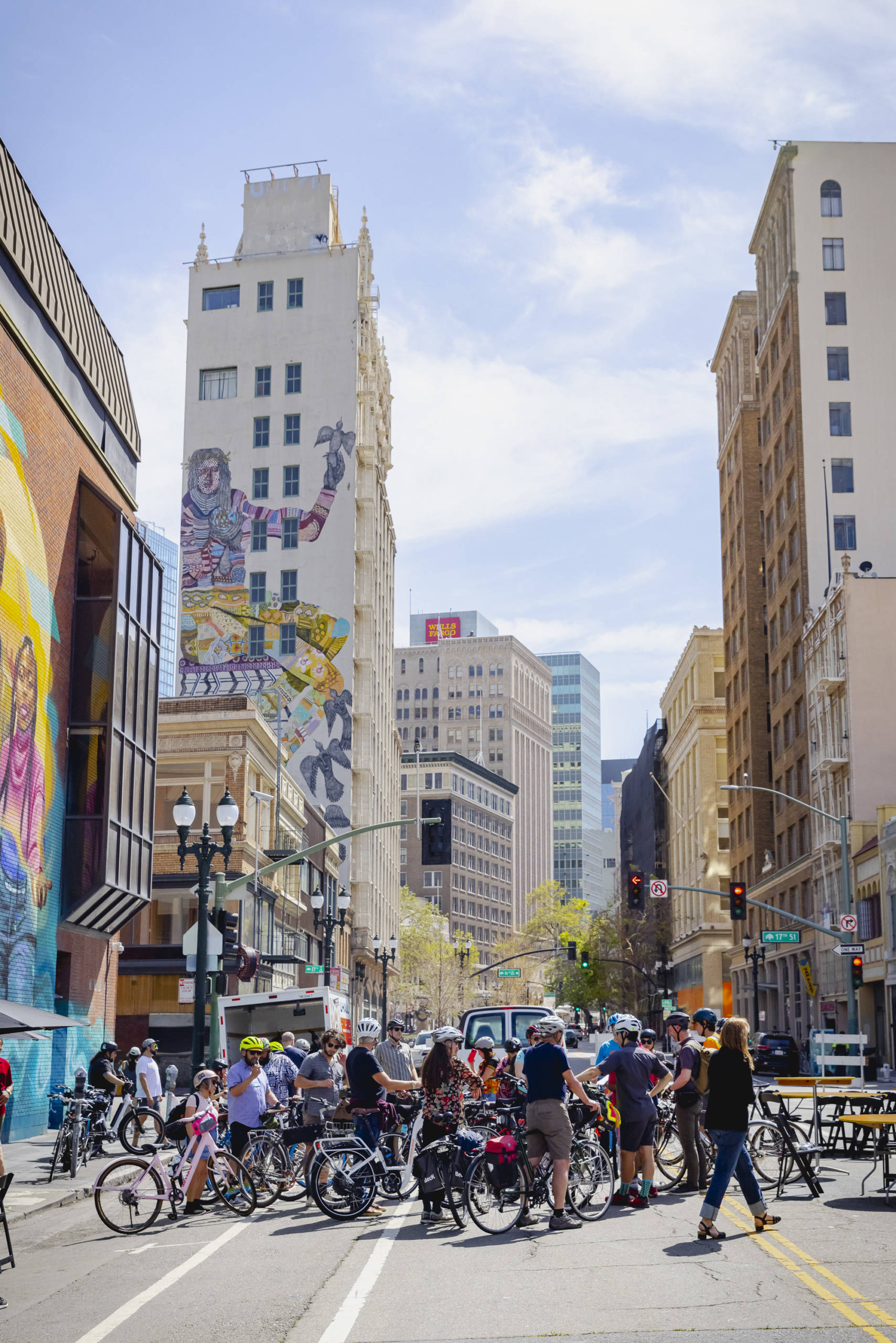
The Summit also included several well-attended biking and walking tours, and summit-goers could visit the parking-protected Telegraph Avenue bike lane project by just traveling a few blocks from Oakstop.

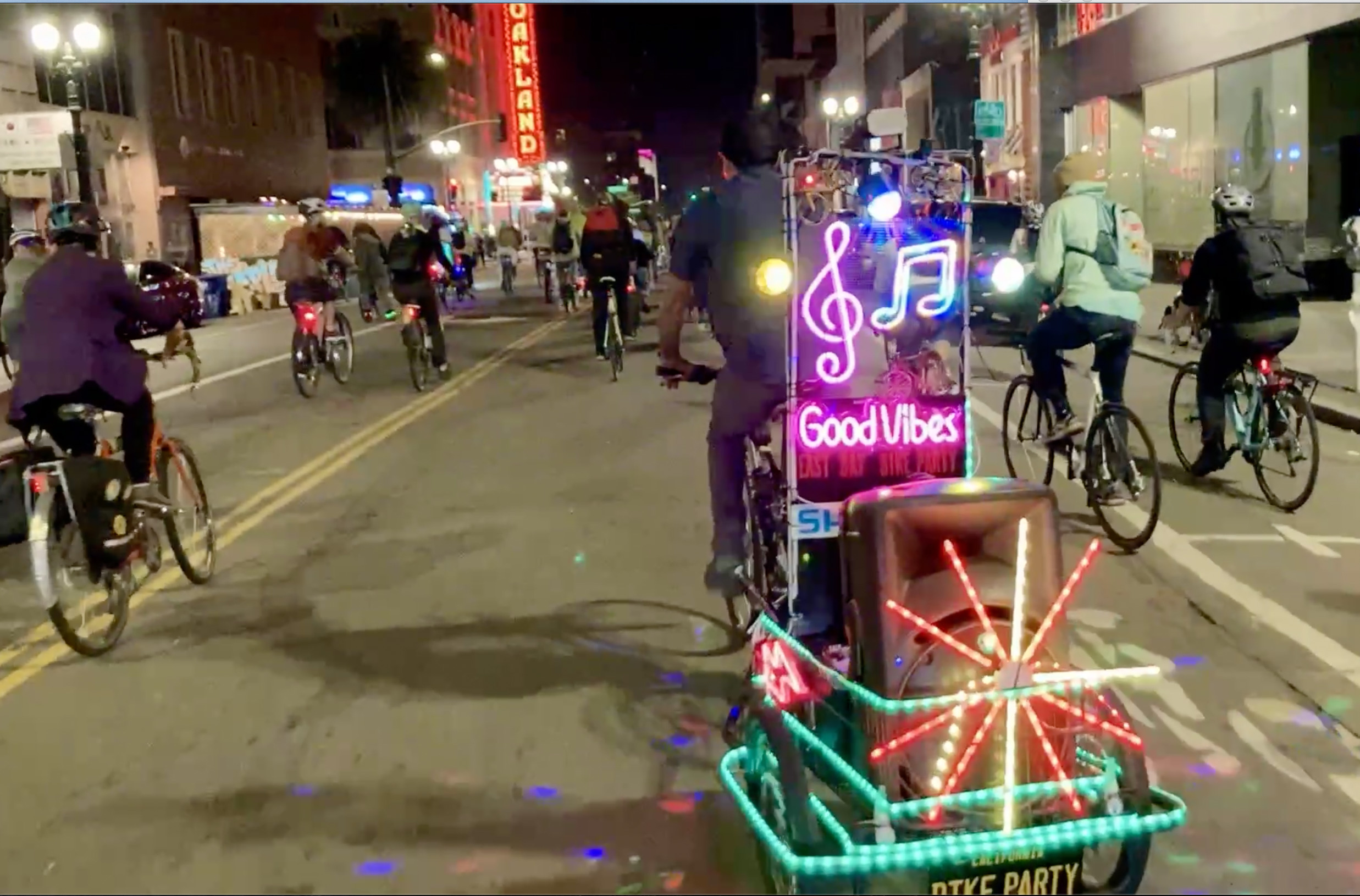
And, on Friday night, many attendees, including CalBike’s Executive Director, Dave Snyder, joined East Bay Bike Party for a joyous ride through the streets of Oakland.

“The Summit was everything we wanted it to be as a catalyst for our movement. People made powerful connections in sessions and in the street that we closed to cars and took over for socializing. And, as always, we had a dance party but this time it was connected to the East Bay Bike Party. What a great cap to the Summit: hundreds of people taking the streets and riding together with joy!”

Dave Snyder, Executive Director, CalBike

A huge thank you from the CalBike staff to everyone who attended, presented, volunteered, sponsored, or otherwise supported the 2022 California Bicycle Summit. It is a big undertaking and we couldn’t do it without our fabulous communities.

The Summit is held every two years and this year’s event was off-schedule because of the pandemic. So we’ll see you again in fall 2023 for the next California Bicycle Summit!

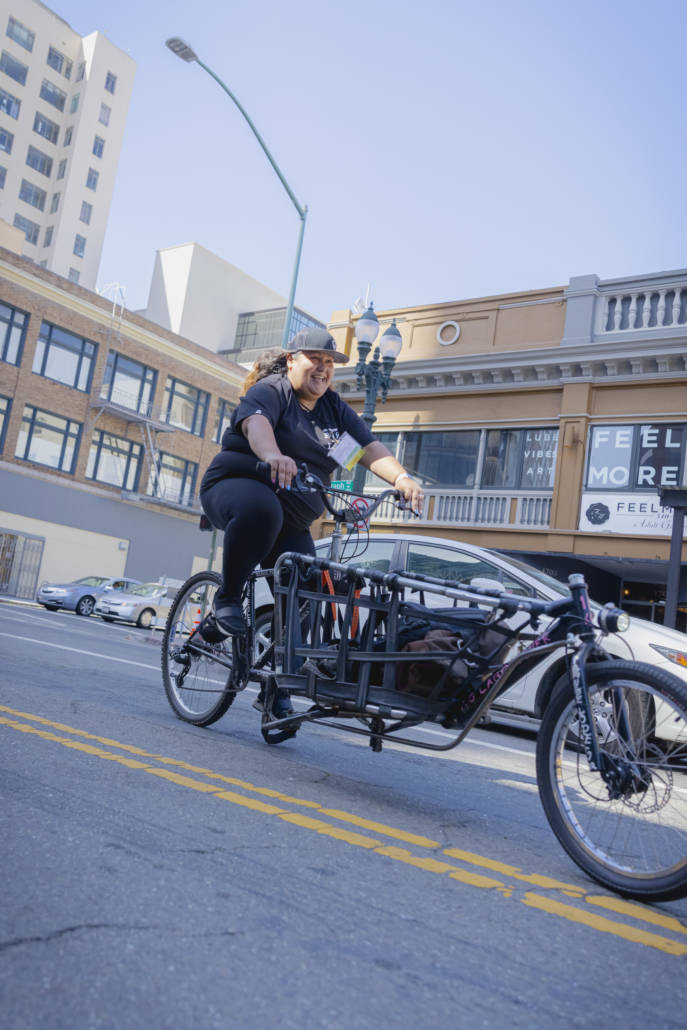
Michelle on bakfiets Summit 22
Telegraph 2 with murals Summit 22
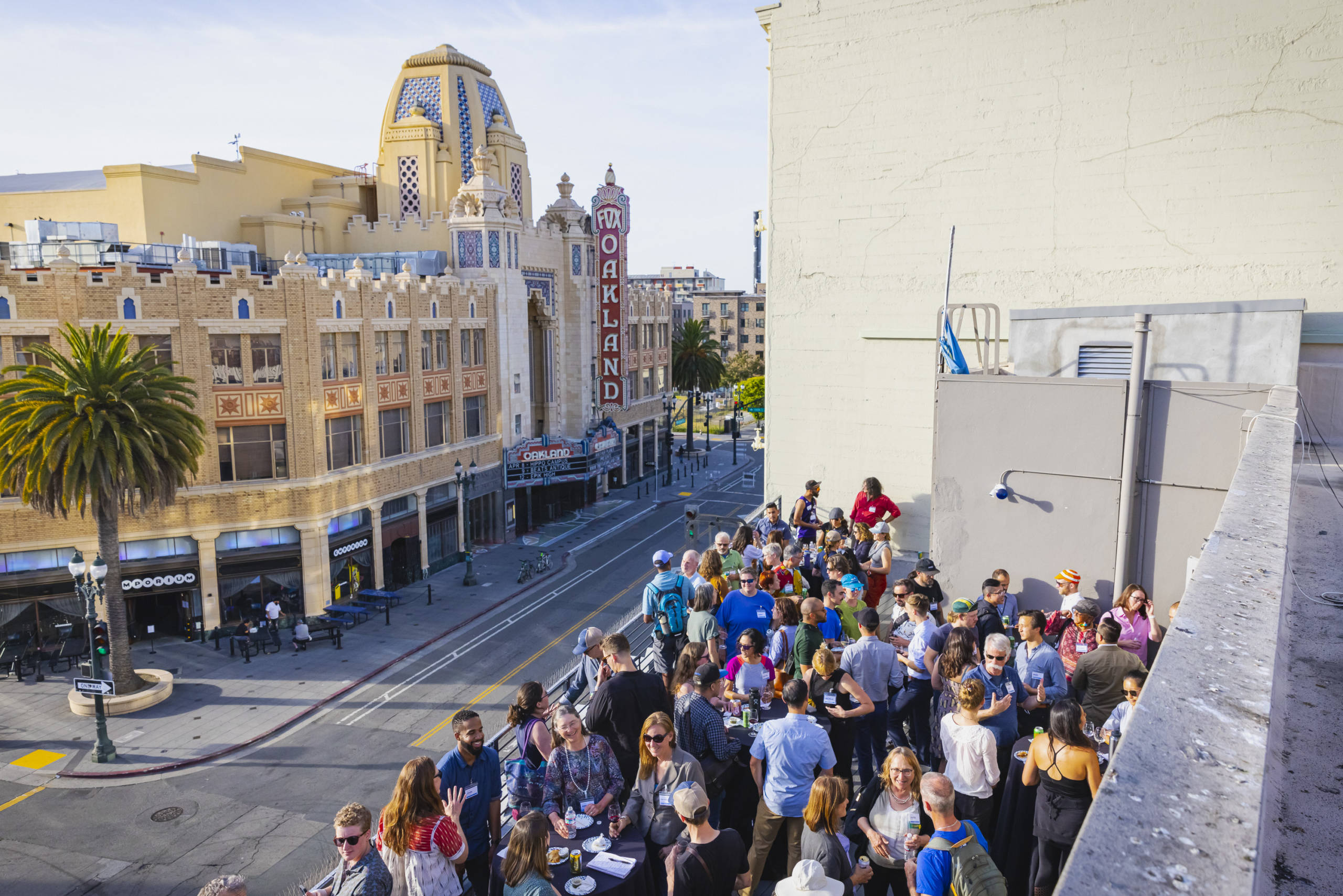
Rooftop party Summit 22
Bike Party Summit 22
Photos by Evan Dudley except Bike Party (Dave Snyder)

https://www.calbike.org/wp-content/uploads/2022/04/Closed-Telegraph-w-mural-Summit-22-scaled.jpg 1708 2560 Laura McCamy https://www.calbike.org/wp-content/uploads/2018/07/calbike-logo.png Laura McCamy2022-04-15 17:50:082022-04-18 17:44:31Recap of the 2022 California Bicycle Summit

Next Steps for California’s E-Bike Voucher Program

April 13, 2022/by Kevin Claxton

Last week, the California Air Resources Board finally issued its request for proposals to administer the $10 million electric bicycle purchase incentive program. CalBike worked with Assembly champions Tasha Boerner Horvath and Richard Bloom to get the program approved in 2021. 

CalBike members and a number of industry leaders have supported our work to shape the program to meet our goals:

  • Replacing car trips with bike trips
  • Supporting low-income Californians
  • Supporting all kinds of e-bikes, including cargo bikes, bikes for people with disabilities
  • Supporting retail shops and community organizations
  • Providing safety education
  • Moving quickly, in order to get more funding in future years

How well those goals are met will depend upon who gets the contract to administer the program and how they operate it. CalBike’s first impression of CARB’s RFP is that it’s likely to produce great results. The RFP emphasizes quick action and reducing car trips, and it calls for low administrative costs, which means more bikes in the hands of more people.

CARB is accepting applications until May 10. It will choose the administrator by June 10 and deliver the funds by July 1, as required by law.

E-bike vouchers will become available a few months after July 1; the exact date of launch will depend on the timeline of the vendor selected to administer the program.


CalBike is working with potential applicants to make sure their proposals are as strong as possible. To stay informed about the process, sign up to receive updates.

https://www.calbike.org/wp-content/uploads/2019/10/edgerunner11i_03.jpeg 791 791 Kevin Claxton https://www.calbike.org/wp-content/uploads/2018/07/calbike-logo.png Kevin Claxton2022-04-13 18:51:252024-08-06 13:30:26Next Steps for California’s E-Bike Voucher Program

Update: Assembly Transportation Committee Supports Landmark Active Transportation Slate

March 30, 2022/by Jared Sanchez

Updated 3/30/22

On March 28, 2022, the California Assembly Transportation Committee held a historic hearing with an opportunity to advance seven bills that advance active transportation. We’re happy to report that the committee voted to support all seven critical pieces of legislation. Thank you to all of you who sent emails and tweets to your assemblymembers on the committee to ask them to vote yes on the Active Transportation Slate of seven bills!

7 vital bills that lift up active transportation

Here’s what’s in these critical bills and which committees will consider them next.

The Bicycle Safety Stop

(AB 1713, Boerner Horvath): As written, the bill allows all bike riders aged 18 and over to treat stop signs as yields. CalBike asks the committee to amend the bill to lower the age to 16. If someone is old enough to drive, they are mature enough to responsibly practice the Bicycle Safety Stop. Next stop: Assembly Appropriations Committee.

Legalize Safe Street Crossings

(AB 2147, Ting): A critical step forward in reducing over-policing of Black and brown Californians, this bill eliminates jaywalking ticketing for safe midblock crossings. Next stop: Assembly Appropriations Committee.

The Bikes Belong Bill 

(AB 1909, Friedman): This bicycle omnibus bill changes several sections of the California Vehicle Code to enhance safety for people on bikes and expand where people on e-bikes may ride. It’s California’s endorsement of the idea that bikes belong on our roads and streets. The changes in this measure include:

  • Car drivers must switch lanes to pass a bike if there is a passing lane.
  • Bikes can enter an intersection with the pedestrian walk light and don’t have to wait for the traffic light to turn green.
  • Municipalities can’t require bicycle registration.
  • Removes the prohibition of Class 3 e-bikes on bike paths and trails. Local ordinances may bar e-bikes from equestrian and hiking trails, but not bikeways.

These changes, taken together, will make the streets safer and more equitable for people on bikes. Next stop: Assembly Appropriations Committee.

Leading Pedestrian Crossing Signals 

(AB 2264, Bloom) A measure that would require a headstart for pedestrians before traffic can move when a light turns green, improving pedestrian safety. If implemented along with the Bikes Belong Bill, this measure will also enhance bike safety by giving bike riders a head start at busy intersections. Next stop: Assembly Appropriations Committee.

Bicycle Highways Bill 

(AB 2237, Friedman): This measure requires regional transportation plans to be written to include visionary elements such as 15-minute neighborhoods and bicycle highways. Next stop: Assembly Natural Resources Committee.

Speed Camera Pilot

(AB 2336, Friedman): Speed kills on California streets and this bill creates a pilot program to study speed cameras for better and more equitable enforcement of speed limits. Next stop: Assembly Privacy and Consumer Protection Committee.

Transportation and Climate 

(AB 2438, Friedman): If this bill becomes law, all transportation projects will have to align with California’s climate goals in order to receive state or local funding, which means putting active transportation and public transport at the center of California’s transportation future. Next stop: Assembly Appropriations Committee.

All these measures are worthy of support. Taken together, they represent an exciting leap forward to mitigate climate change, create more livable communities, and make our streets more equitable and safe for all Californians. CalBike urges the committee members to Vote YES on each of these seven critical bills.

Use the form above to contact your assemblymember. The members of the Assembly Transportation Committee are:

Laura Friedman (Chair)AD 43
Vince Fong (Vice Chair)AD 34
Marc BermanAD 24
Jordan CunninghamAD 35
Tom DalyAD 69
Laurie DaviesAD 73
Mike A. GipsonAD 64
Ash KalraAD 27
Alex LeeAD 25
Jose MedinaAD 61
Adrin NazarianAD 46
Janet NguyenAD 72
Patrick O’DonnellAD 70
Christopher M. WardAD 78
Buffy WicksAD 15
https://www.calbike.org/wp-content/uploads/2020/03/e-bike-slider-v2.jpg 430 1500 Jared Sanchez https://www.calbike.org/wp-content/uploads/2018/07/calbike-logo.png Jared Sanchez2022-03-30 13:05:222022-03-30 13:13:13Update: Assembly Transportation Committee Supports Landmark Active Transportation Slate

Explore Oakland at the California Bicycle Summit

March 21, 2022/by Laura McCamy

We are excited to bring the California Bicycle Summit back to Oakland for many reasons. Oakland is a diverse city with a thriving bike culture, a vibrant arts scene, and rich history. Plus, we found a venue that embodies the art and aspiration that is the heart of Oakland. But mostly, we’re thrilled to introduce Oakland to more of you. 

Oakland has a robust bike program, some terrific protected bike lanes, and one of the most vital bike advocacy groups in California (Bike East Bay). It also borders Berkeley, which has storied bicycle boulevards and one of the highest bike mode shares in California, and it’s an easy BART or ferry ride from San Francisco, which has its own rich bicycle culture.

Here is a sampling of trivia, history, and culture to savor on a visit to Oakland.

The art of biking

Oakland is home to many visual artists, including painters, muralists, Burning Man sculptors and builders, and a diverse music scene that includes homegrown genres (like hyphy). So it’s no surprise that the art and whimsy of the city found their way into Oakland bike culture.

The best-known Oakland bicycle icons are the Original Scraper Bike Team. The team uses colorful duct tape wrapped around bicycle spokes to create “art in motion,” and the group’s mission has expanded from creating homegrown bike culture to serving Oakland youth. And it all started with an irresistible music video.

Bike Party started in San Jose before spreading around the Bay, and the East Bay version is an explosion of music, lights, costumes, and — manners. Bike Party stops at all lights and makes sure no one is left behind. It’s a joyous parade of elaborately-lit bikes and speakers booming on bike trailers that’s both kid-friendly and a fun Friday night out.

More Bay Area bike facts:

  • People for Bikes named Berkeley the best mid-sized city for bikes in the U.S.
  • San Francisco political party, the Wigg Party, is named after one of the city’s most popular bike routes, The Wiggle.
  • You can experience North America’s first wildlife refuge in the heart of Oakland at Lake Merritt via a gorgeous protected bikeway that encircles the lake.  
  • Bike East Bay advocates for better biking in 33 cities in Alameda and Contra Costa counties, working in communities that range from super bike-friendly to very car-centric.
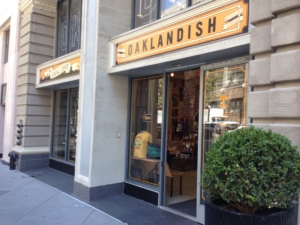
Oaklandish Uptown Oakland

The Town

Oakland is fondly called The Town or Oaktown, in contrast to San Francisco, often referred to as The City. Look for depictions of the iconic cranes that dominate the skyline at the Port of Oakland, visible from the freeway or nearby Jack London Square. Visit the Oaklandish flagship store at 1444 Broadway, just a few blocks from the Summit venue, for graphic tees and other locally made goodies that express the pride that locals feel in their community.

A rich history

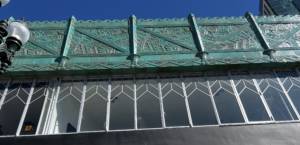
OakStop facade

As a majority BIPOC city, Oakland’s history includes booms and busts, decades of development followed by neglect and reinvention. For example, the Uptown Oakland neighborhood, where the Summit is centered, includes many glorious examples of art deco architecture that survived being torn down because of lack of investment and have now come to life again as art, music, and entertainment venues. The OakStop complex, where the breakout sessions will take place, is a great example of this: it’s in a historic building with an ornate facade that speaks to Oakland’s history while inside the coworking and event space walls are is filled with work by today’s local artists.

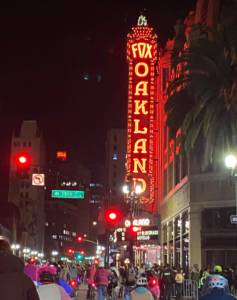
East Bay Bike Party by Fox Theater

The Fox Theater is a thriving music venue across the street from Oakstop and the Paramount Theater, a few blocks up Broadway, hosts concerts and classic movies. 

Uptown’s commercial spaces are being reimagined by local artists and entrepreneurs, leading to an eclectic mix of retail, art galleries, and eateries. That includes the Oakstop venue, where you can view the work of local artists in every meeting room. The art deco California Ballroom, where we’ll host the Summit plenary sessions, first opened in 1926 and joined a vibrant entertainment scene in Oakland, a prime tour stop for top Black performers because of The Town’s sizeable Black community. Explore the roots of that community at the African American Museum and Library, a short walk from the Summit venue.

Unlike San Francisco’s Chinatown, Oakland’s Chinatown is oriented toward the people who live there, not tourists. This vibrant neighborhood, just a short walk or bus ride from the Summit, once stretched to Jack London Square and the San Francisco Bay before it was cut in half by a freeway, a fate it shares with many Chinese communities in California. Of particular interest to active transit nerds: the beautifully decorated intersections where pedestrian scrambles serve the bustling, walkable community.

Oakland has also been an incubator for revolutionary political movements from the Black Panthers to Occupy Oakland. You can learn more about local and California history at the Oakland Museum of California, which offers a mix of art, history, science, and fascinating special exhibitions.

A foodie paradise

The Bay Area is known for its fabulous restaurants, and Oakland is no exception. A flourishing vegan community means that you can find vegan options on most menus, in addition to fantastic vegan restaurants. Meat lovers, don’t despair — Oakland has terrific dining options to please every palate. The Town is home to excellent Mexican, Thai, Burmese, Chinese, Japanese, and soul food eateries, just to name a few. Restaurants of almost every cuisine are a short walk, bike ride, or transit trip from the Summit. Here are a few of our favorites. 

  • Wise and Sons Jewish Deli, 1700 Franklin: If you’re missing the old country (i.e. New York), this fantastic deli is a must. 
  • The Punchdown, 1737 Broadway: You can enjoy the natural, sulfate-free wine selection in-house or buy bottles to go. The food is yummy too.
  • Drakes Dealership, 2325 Broadway: Enjoy covid-safe dining in this lovely outdoor beer garden. Drakes has The. Best. Fries.
  • Solely Vegan, 301 Broadway: You haven’t lived until you’ve had the red beans and rice at this Black- and woman-owned vegan soul food restaurant. It’s worth the walk.
  • Agave Uptown, 2135 Franklin: The menu at this upscale Mexican restaurant has something for everyone. And don’t miss the Mescal.
  • Shandong, 328 10th Street: This Chinatown fave is famous for its dumplings, but the extensive menu has something for everyone.
  • Swan’s Market, 510 9th Street: Once a famous department store in Old Oakland, Swan’s Market is now home to a food court that is an incubator for innovative local chefs. Plus, there’s a farmer’s market on the street outside on Friday from 8:00 am to 2:00 pm.

This is just a tiny (and somewhat biased) sampling of the many fantastic restaurants within a short walk or bike ride of the Summit. 

So much to love about Oakland

On first look, Oakland’s center can look rundown, a bit rough around the edges. But what you’re seeing is a city that’s in a constant process of reinventing itself. Today’s empty storefront will be tomorrow’s happening art gallery. When you scratch below the surface, you find a wellspring of energy and creativity, a community trying to figure out how to preserve diversity and embrace modernity without forgetting its roots.

And we haven’t even touched on many of The Town’s attractions: Lake Merritt, with its glorious separated bike path (join us on the bike tour to visit it); the Grand Lake Theater, famous for the political messages on its marquee; Jack London Square, home to fantastic restaurants and delightful bay views; and so much more.

We hope you can join us at the California Bicycle Summit, April 6-9, in Oakland. And we hope that, while you are here, you can take some time to appreciate some of Oakland’s fantastic architecture, culture, and cuisine.

https://www.calbike.org/wp-content/uploads/2022/03/East-Bay-Bike-Party.jpeg 1365 2048 Laura McCamy https://www.calbike.org/wp-content/uploads/2018/07/calbike-logo.png Laura McCamy2022-03-21 17:49:282023-11-28 12:10:53Explore Oakland at the California Bicycle Summit

California Bicycle Summit Opening Night Mixer Celebrates the Vital Work of California Bicycle Advocates and Planners

March 14, 2022/by Kevin Claxton

The 2022 California Bicycle Summit opens on Wednesday, April 6, from 6:00 to 10:00 p.m., with an Opening Night Mixer at the New Parkway Theater. The mixer will be a miniature film festival with a twist. And you can order food and drinks (and fabulous popcorn) from the New Parkway’s full kitchen to enjoy while you watch.

Bike Shorts

The producers and actors in the documentaries Spokespeople and Biking While Black will be on hand to discuss their movies. Old and new bike-themed music videos will entertain us between the short films. 

Pecha Kuchas

A handful of special PechaKucha presentations will showcase quirky and visionary themes ranging from the anthropology of bike-friendly cities to a nearly religious bicycle philosophy. 

PechaKucha is a Japanese word that translates as “chit chat.” The term has come to denote a specific type of presentation: 20 slides, each displayed for 20 seconds, giving presenters 6 minutes and 40 seconds to convey their ideas. The constraints of this concise format lead to face-paced, fun, and creative presentations. You won’t want to miss it!

Do you have a revolutionary idea about biking that you’d like to share? Apply for a PechaKucha spot by filling out this form. We will accept applications through March 26, 2022.

Notes for PechaKucha presenters: Presentations must be inspiring, visually enticing, and have some connection to the Summit’s theme: Connecting (feel free to interpret the theme broadly). At the theater, the PechaKucha presentations won’t be controlled by the speaker; they must automatically play.

About the New Parkway Theater

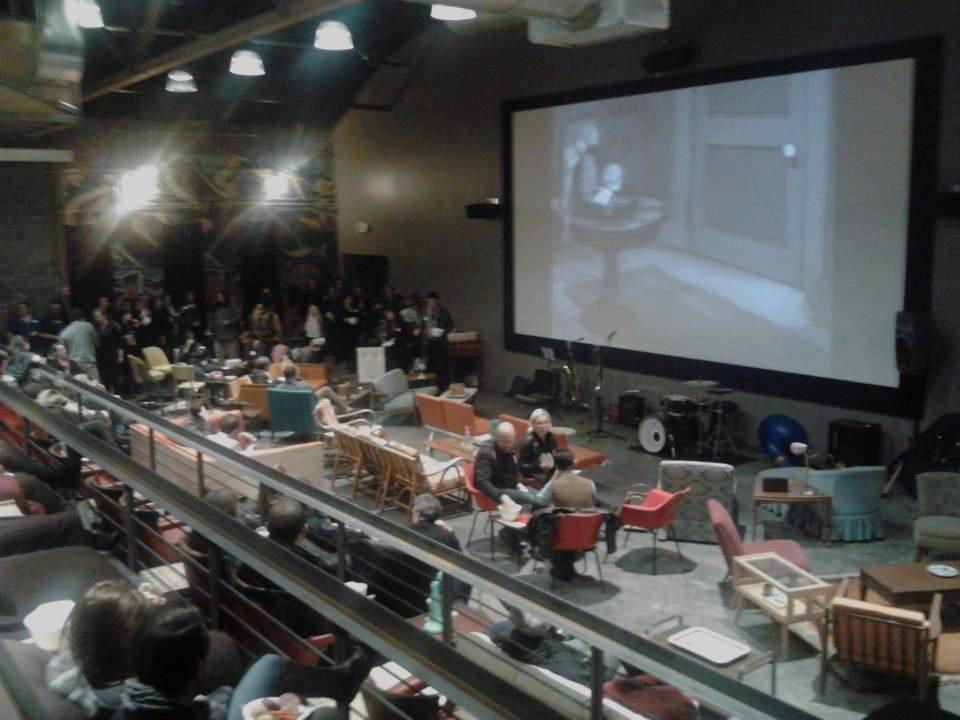
The New Parkway Theater is an intimate venue with comfortable couches and chairs for seating and eating and drinking while you watch the movie. The venue’s restaurant and bar serve delicious food and beverages, including popcorn with a toppings station that is the best in the Bay Area. The event will feature several opportunities for eating, drinking, and mingling, as well as enjoying the entertainment.

If you’re already registered for the full Summit, you’ll have an opportunity to claim a free ticket to the opening night mixer. If you’re not registered yet, reserve your spot today.

A limited number of tickets for the opening night celebration will be available to the general public. Check this space for information on how to buy tickets, coming soon.

New Parkway Theater
https://www.calbike.org/wp-content/uploads/2022/03/New-Parkway-Theater-2.jpeg 720 960 Kevin Claxton https://www.calbike.org/wp-content/uploads/2018/07/calbike-logo.png Kevin Claxton2022-03-14 14:48:202023-11-28 12:11:56California Bicycle Summit Opening Night Mixer Celebrates the Vital Work of California Bicycle Advocates and Planners

All the Bike-Friendly Bills Introduced in California in 2022

March 3, 2022/by Jared Sanchez

It’s that time of year again when legislators introduce hundreds of new bills that could change the law in California. As always, as your leading statewide bicycle advocate, CalBike is keeping an eye on this for you. It takes a community of dedicated bike riders to get bike-friendly bills passed (and stop the bad ones)—we couldn’t do it without your support.

Happily, there were many bills that will support safer streets and better biking introduced this year, so 2022 will provide lots of opportunities for engagement and advocacy. We’re following measures that will improve biking and all forms of active transportation, mitigate climate change, and make California more liveable. 

The bike-friendly bills list includes several pieces of legislation similar to bills introduced in 2021 coming back for a second try at becoming law, including two CalBike measures that passed the legislature, thanks to thousands of emails from CalBike members but were vetoed by the governor.

Here are the bike-friendly bills CalBike is watching.

Bicycle Safety Stop

AB 1713 (Boerner Horvath) is a reprise of last year’s campaign to pass the Bicycle Safety Stop and will allow people on bikes to treat stop signs as yields. In 2022, however, in response to the governor’s veto message on child safety, the new law will only apply to adults (age 18+). CalBike will be following this measure closely, and we’ll let you know when it’s time to ask your legislators and the governor for support.

Legalizing Safe Street Crossings

AB 2147 (Ting) is the sequel to the Freedom to Walk Act that passed the assembly and senate last year. After Governor Newsom’s veto, Assemblymember Phil Ting revamped the bill to address the governor’s concerns. The revised version will direct police not to ticket for safe pedestrian mid-block crossings (jaywalking). Ending enforcement of safe midblock crossings will reduce opportunities for police encounters that too often become violent for people of color, and CalBike will work to help pass this bill.

Sustainable Transportation Project Streamlining

SB 922 (Wiener) will help agencies install sustainable transportation infrastructure by exempting certain projects from unnecessary CEQA review. It applies to bike lanes, transit lanes and stations, HOV lanes, and related projects, as long as the projects are within existing rights-of-way and do not add automobile capacity. The bill will make permanent a temporary CEQA exemption put in place during the pandemic and add requirements for equity analysis.

Fix Deadly Roads Bill

SB 932 (Portantino) will require cities to adopt significant bicycle, pedestrian, and traffic calming elements when they develop and revise their general plans. General plans serve as blueprints for the future, prescribing policy goals and objectives to shape and guide the physical development of cities. In the past, plans in some communities have ignored the needs of bicyclists, pedestrians, and transit riders. As our planet warms, we can’t afford to bake unsustainable auto transportation into our city planning. CalBike strongly supports this measure.

Bikes Belong Bill

AB 1909 (Friedman) will change the state vehicle code to facilitate biking across our state. Elements of this legislation include requiring vehicles to switch lanes when passing people on bikes and expanding where it’s legal to ride e-bikes.

Signals for Pedestrian Crossings

AB 2264  (Bloom) requires Caltrans and cities to update all pedestrian control signals to give pedestrians a head start of 3 to 7 seconds. People walking will get to enter an intersection on the green light before cars get the green, which will improve visibility and, we hope, reduce crashes involving pedestrians.

Bicycle Highways

AB 2237 (Friedman) when the governor vetoed AB 1147 in 2021, he said that the critical changes to regional planning it envisioned would be better accomplished through the budget process. Yet, money to implement bicycle highways and 15-minute neighborhoods is not in the governor’s proposed budget. CalBike and our supporters continue to advocate for $2 billion for bikes, which could fund some of the connected bicycle networks in this important bill. This bill is a transformative piece of legislation, and we hope, given a second chance, the governor will sign it into law.

Ending Freeway Expansion

AB 1778 (C. Garcia) will prohibit any state money from funding or permitting freeway widening projects in areas with high rates of pollution and poverty. As decades of research have shown, low-income communities of color are most burdened by highway pollution that causes unnecessary cases of asthma and other major health issues. 

Transportation Funding and Climate Goals

AB 2438 (Friedman) requires all transportation projects funded at the local or state level to align with the California Transportation Plan and the Climate Action Plan for Transportation Infrastructure adopted by the Transportation Agency. This effort will codify California’s efforts to align transportation funding with our climate goals.

The process of passing legislation is messy and complex, so things will undoubtedly change. Provisions may get added or removed from some bills that change CalBike’s position. We will work to strengthen and support these bike-friendly measures, and we’ll keep you up to date as the session progresses. See the status of all the legislation we’re watching on our 2022 Legislative Watch page.

https://www.calbike.org/wp-content/uploads/2018/11/California_State_Capitol_in_Sacramento.jpg 1000 1500 Jared Sanchez https://www.calbike.org/wp-content/uploads/2018/07/calbike-logo.png Jared Sanchez2022-03-03 18:13:582022-06-02 12:15:28All the Bike-Friendly Bills Introduced in California in 2022

Realizing the Potential of Bike and Scooter Sharing Systems

February 28, 2022/by Laura McCamy

Jouke Peutz has split his life between the Netherlands and California. He loves living in the U.S., but his Dutch childhood instilled a deep love of biking. He’s pursuing that passion for biking, in collaboration with CalBike, with a research project to develop best practices and a general framework to improve the partnership between the public and private sector to aid disadvantaged communities through micromobility.

CalBike advocates for the inclusion of shared micromobility in public transportation systems. That will ensure that the cost remains affordable, that micromobility programs serve all neighborhoods equitably, and that there are cohesive support platforms and incentives for users. Jouke’s research will help us make a case for public micromobility.

CalBike collaborates with a researcher inspired by his Dutch biking roots

Jouke Peutz didn’t start a graduate degree in Community Development at UC Davis with a plan to focus on bikes. “I was very set on sticking with buildings since I came from an architecture background,” he says. 

Then he took a class on bicycle infrastructure and design that called him back to a childhood where, he recalls, “I had all my freedom on my bicycle. I learned life lessons on my bicycle. I biked through the rain, the sun. I had a deep connection to my bike.” Now, Jouke says, “My whole research has oriented from looking at buildings to looking at bicycling. The funny thing is that they are very much connected.”

His grandparents still ride, regularly going across the border to Germany on their e-bikes. “The bike is what gives them their freedom, too,” he says. 

He wants to bring that freedom to biking in the U.S., but he recognizes the challenge. “We’re trying to copy things from the Netherlands, but it never really works,” Jouke says. Intersections that “look Dutch” function very differently here because the U.S. has its own bike culture.

How shared micromobility can promote transportation justice in California 

Jouke’s research project is titled “Facilitating market-based micromobility in disadvantaged communities in California,” and will look at how to bridge the gap between government and the private sector to better serve disadvantaged communities. Through a literature review and interviews with key stakeholders, he hopes to answer the question of how California state agencies can develop and coordinate micromobility in partnership with private operators.

Jouke’s research is more than an academic exercise. He sees it as a gateway to improving people’s lives.

“Transportation is a main factor in people’s life success, whether that’s healthwise or economicwise,” he says. “People who don’t live a wealthy lifestyle typically live in communities they get pushed into and they rely on public transportation to get work or groceries.” 

He particularly wants to make sure that people in disadvantaged communities don’t get left behind in the transition away from carbon-based transportation. “What does that mean if you’re told you cannot drive anymore or need to buy an expensive EV?” Jouke says. “That’s where micromobility could play an important role.”

CalBike has helped connect him with stakeholders and supported him in his research. “We’re excited to see what Jouke’s research produces,” says Dave Snyder, CalBike’s Executive Director. “CalBike is focused on transforming the way we view micromobility. Bike sharing shouldn’t be viewed as an elite urban amenity but as an essential public transportation connection. Having evidence to show the benefits of micromobility will help us make that case.”

“The beautiful thing about bicycles is they connect the wealthiest people and the poorest people,” says Jouke. “I do really believe micromobility will be a big part of our future in transportation.”

Bike-share in danger in California

Unfortunately, California is in danger of becoming a state with no bike or scooter sharing. A bill moving through the California Senate, AB 371, would impose an unprecedented insurance requirement on all bike-share operators, including public transit systems and nonprofits. 

Micromobility is the future, and we can’t let this regressive bill stop it before it reaches its full potential. Please email your California Senator today and ask them to vote NO on AB 371. 

Micromobility and much more at the California Bicycle Summit

At the California Bicycle Summit, April 6-9, 2022, in Oakland, we’ll discuss equitable micromobility with Jouke and representatives from companies that provide bike and scooter sharing systems in California. You won’t want to miss that, plus 30 breakout sessions, bike tours, parties, and more. Register today.

https://www.calbike.org/wp-content/uploads/2021/06/E-bikes.jpg 1365 2048 Laura McCamy https://www.calbike.org/wp-content/uploads/2018/07/calbike-logo.png Laura McCamy2022-02-28 15:56:242022-06-01 17:24:50Realizing the Potential of Bike and Scooter Sharing Systems
Page 26 of 36«‹2425262728›»

Latest News

  • 2026 Agenda Reveal, Recap, and Q&ADecember 4, 2025 - 10:13 am
  • “Trust Is Infrastructure”: How LA Metro’s Nina Kin Is Building Better Data for Transit Riders on BikesNovember 25, 2025 - 9:53 am
  • Pave First, and Ask Questions LaterNovember 20, 2025 - 2:49 pm
Follow a manual added link

Get Email Updates

Follow a manual added link

Join Calbike

  • Link to Facebook
  • Link to X
  • Link to LinkedIn
  • Link to Mail
  • Link to Instagram

About Us

Board
Careers
Contact Us
Financials & Governance
Local Partners
Privacy Policy
Staff
State & National Allies
Volunteer

Advocacy

California Bicycle Summit
E-Bike
Legislative Watch
Past and Present Projects
Report: Incomplete Streets
Sign On Letters

Resources

Maps & Routes
Crash Help and Legal Resources
Quick-Build Bikeway Design Guide
Report: Complete Streets
All Resources

Support

Ways to give
Become a Member
Donor Advised Funds
Donate a Car
Business Member

News

Blog
CalBike in the News
Press Releases

© California Bicycle Coalition 2025

1017 L Street #288
Sacramento, CA 95814
© California Bicycle Coalition 2025

Scroll to top