
SB 1167, The Mineta Report, and How We Got Here
In 2023, the Legislature passed SB 381, which directed the Mineta Transportation Institute at San José State University to conduct a study on electric bicycles, with a mission to “develop effective laws and policy to support the twin goals of expanding electric bicycle use and protecting the safety of electric bicycle riders and other road users.”
California was already seeing two realities emerge at once. E-bikes were becoming one of the most practical tools we have for reducing transportation emissions, cutting household transportation costs, and giving Californians more freedom in how they move. At the same time, communities, parents, schools, doctors, advocates, and policymakers were asking sharper questions about safety, device classification, reckless riding, and the growing market for high-powered electric devices sold as “e-bikes.”
SB 381 was designed to slow that debate down enough to ground it in evidence. CalBike and others urged the legislature to go deep on research to make an informed decision on the best way forward for this promising technology.
That report, Exploring Electric Bicycle Safety Performance Data and Policy Options for California, is now the most thorough public review California has of the promise, risks, confusion, and policy gaps around e-bikes. The process was broad. MTI researchers reviewed international e-bike safety literature, analyzed original data on crashes, injuries, and deaths, reviewed news and social media reports of fatalities, examined vehicle codes from all 50 states, reviewed rules from 29 countries, and interviewed 44 experts in electric bicycle safety. Those experts included people from public health, emergency medicine, law enforcement, transportation planning, bicycle advocacy, shared mobility companies, and bicycle retail. CalBike was part of that informed process, and our staff are among the professionals acknowledged in the report.
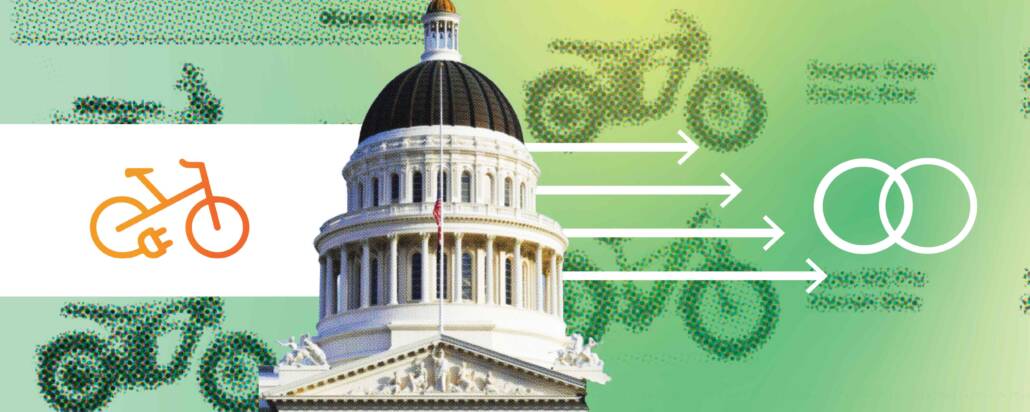
Now in 2026, SB 1167, authored by Senator Catherine Blakespear and sponsored by CalBike, People for Bikes, SAFE, and Streets for All carries that work forward. The bill starts from a simple premise: legal e-bikes are bicycles, and they should be protected, promoted, and made safer to ride. But powerful electric motorcycles, mopeds, and other high-speed devices should not be marketed to families as “e-bikes” when they do not meet the legal definition of an electric bicycle. The Mineta report documented exactly this problem. California’s e-bike rules are built around a 750-watt power limit (established under federal law), working pedals, and class-based speed limits. But the market now includes many bicycle-shaped electric devices with higher power, higher speeds, easy unlock settings, and confusing marketing that blurs the line between bicycles and motor vehicles.
SB 1167 responds to that evidence with three main planks CalBike has carried forward from the Mineta report:
- Draw a bright legal line between e-bikes and e-motos.
- Stop deceptive marketing and require honest disclosures.
- Improve crash and injury data so future policy is based on evidence.
SB 1167 brings much-needed clarity. It protects the legal status of real e-bikes, gives consumers better information, cracks down on deceptive marketing, and starts building the data system California needs to understand what is actually happening on our streets. That is how we protect the promise of e-bikes and ensure this marketplace can develop to serve all Californian consumers and road users.

