
Caltrans’ State Bicycle and Pedestrian Plan Update Work Begins
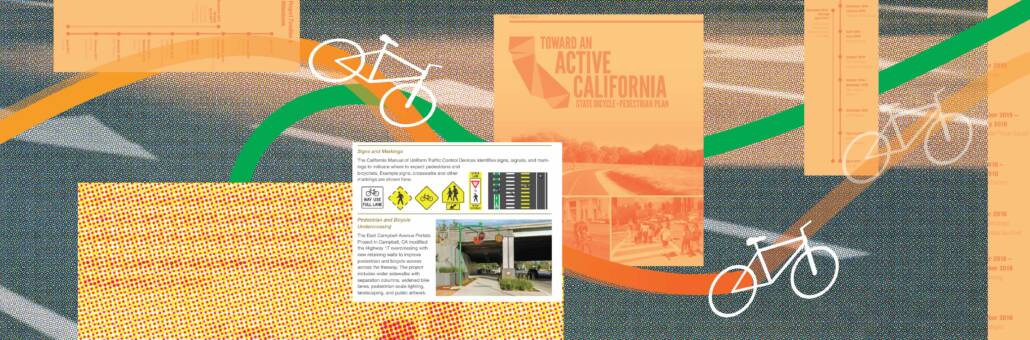
The State Bicycle and Pedestrian Plan (SBPP) is Caltrans’ statewide policy plan for walking and bicycling. Caltrans has started work on a new plan, with a final version expected in 2028. It sits under the larger California Transportation Plan, alongside statewide plans for rail, freight, aviation, and other parts of the transportation system. The current SBPP will update Toward an Active California, the plan Caltrans adopted in 2017, which was the first plan of its kind in California.
Caltrans says the new plan will identify the major needs, challenges, and opportunities facing people who walk and bike. It will then lay out a set of actions for the agency to carry out. It is important to note that the SBPP will not contain a statewide list of infrastructure projects. A bike lane, safer intersection, or improved highway crossing does not need to be named in the plan to move forward. Those projects are generally developed through Caltrans districts, local governments, regional agencies, funding programs, maintenance work, and other parts of the project delivery process.
The work of designing local roadways is a matter of implementation. What we are seeing here is high-level planning.
What does the plan mean?
At its best, the SBPP can set clearer expectations for how Caltrans approaches walking and bicycling throughout California.
The 2017 plan helped kick off a round of district-level active transportation plans that started mapping out where people need safer places to walk and bike along the state highway system. The new update has a chance to build on that work, along with more recent shifts at Caltrans like the updated Complete Streets Director’s Policy, new design flexibility in Design Information Bulletin 94, and ongoing efforts to put SB 960 (the Complete Streets bill) into practice.
It could also address problems that advocates raised repeatedly by the public during Caltrans’ kickoff webinar, held on July 30, 2026: gaps in bicycle networks, unsafe freeway crossings, poor maintenance, slow project approvals, inadequate funding, weak connections to transit, and engineering practices that continue to place traffic flow ahead of safety.
A statewide plan can (potentially) be a powerful tool: it can give people inside and outside Caltrans a shared reference point when things aren’t working the way they should. Advocates can point to it. Local agencies can align with it. Staff within different Caltrans districts can use it to make the case for doing things differently.
In the best case, it becomes a kind of internal compass, nudging the agency to update outdated guidance and clear away the procedural barriers that slow beneficial projects down.
Will the SBPP produce projects in my community?
In short: not directly. The adoption of the plan will not automatically fund or construct a protected bikeway in your neighborhood. It will not replace the work required from a Caltrans district, city, county, regional transportation agency, or community organization to advance a specific project. For many of us, this is obviously a frustrating answer. People across California have already spent years attending meetings, submitting comments, and asking for basic safety improvements.
During the kickoff webinar, several participants asked some version of the same question: Why does California keep producing plans while dangerous conditions remain unchanged? This is a well-founded question, but the SBPP is not what is preventing or permitting individual projects moving forward, and abandoning the policy process would not make those projects appear faster. Planning and implementation happen in different parts of Caltrans, and the work on the statewide plan does not stop districts or local agencies from delivering projects.
How can I participate?
The plan is still at the beginning of a two-year process, which means the public has time to shape it. Caltrans’ SBPP website includes a Participate tab where you can submit comments, respond to surveys, sign up for updates, and follow future webinars and public-review opportunities. Input from CalBike supporters like you can help shape the future of Caltrans policy. Of note, participants in the July 30 kickoff webinar did not feel the platform or method of engagement offered an opportunity to provide substantive feedback; CalBike will be addressing this issue to Caltrans and seeking improvements for future webinar opportunities.
CalBike’s Focus
A strong SBPP in our eyes is a plan that turns California’s stated commitment to walking and bicycling into consistent decisions throughout Caltrans.
That means an agency that defaults to stronger safety standards, complete networks, better connections to transit, meaningful funding commitments, transparent tracking, and fewer excuses when Caltrans has an opportunity to improve a street. This kind of steady policy work helped CalBike win passage of SB 960, the Complete Streets Bill, in 2024. That law carries a simple idea: Caltrans should plan for everyone who uses the state highway system. The SBPP is another chance to embed that idea deeper into the agency. While this plan will not transform a street overnight, if done well, it can help make safe bicycling an ordinary part of how California plans, funds, and builds.

