

California’s Best Street Improvement Program Is Drowning in Demand
When the application window for the Active Transportation Program (ATP) opens, California communities line up with a basic request: help us make our streets safer. They laboriously apply to the Active Transportation Program, the state’s only dedicated funding source for walking and biking projects. These are the projects that close sidewalk gaps, build protected bikeways, make dangerous crossings safer, connect neighborhoods to transit, help kids get to school, and give people practical ways to get around without always needing a car. The demand is enormous while the funding is scarce.
For the 2025 Active Transportation Program, the California Transportation Commission (CTC) received 227 applications requesting $2.5 billion in ATP funds, with $4.1 billion in total project costs. And yet, when the budget gets tight, biking and walking remain among the first places this governor has looked for cuts. Last year’s budget cut $400 million from ATP, and Streetsblog California has reported that what was presented as a temporary cut now appears to be settling in as the new normal. That means communities requested almost 15 times more funding than the state made available.
Scarcity Distorts the Whole Program
As it stands, a city can identify a dangerous corridor, document the safety need, show community support, and still end up empty-handed because the winning score is near perfection. What agencies are up against now in ATP Cycle 8 is a program much more in demand than the authors of the original legislation imagined. Fine-tuning the parameters and guidelines to better identify those projects that will transform our communities into places where people can safely use active transportation for daily trips is paramount; ensuring that awarded agencies actually spend the money awarded is also critical. AB 2168 will make ATP more strategic and agencies more accountable, so good projects have a better chance of becoming real projects.
Tangible Effect in Stockton
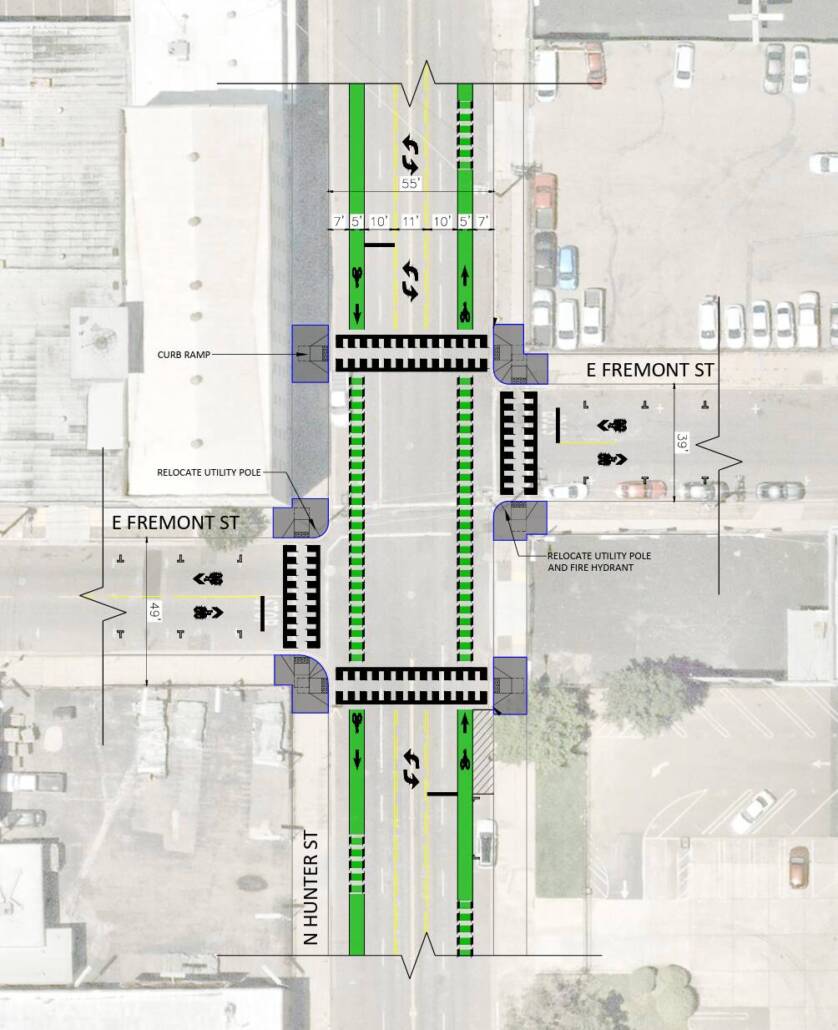
In 2025 many well-qualified applicants were turned away, notably the City of Stockton: Citywide Stockton Bicycle-Pedestrian Connectivity Project – W. 8th Street/Manthey Road/Houston Avenue. The application scored a 96 (out of 100) and was scored as a Safe Routes to School project in a disadvantaged community. This project was specifically cited by the CTC as being a project that would have received funding if the budget had been maintained at prior levels. At $16 million ($12 million from ATP), this project would have expanded the low-stress network that had been originally targeted in Stockton’s Bicycle Master Plan adopted in 2017. Despite the significant investment of time and resources by the city in the form of public outreach, design, and the lengthy ATP application process, known unsafe intersections and road conditions will persist well into the future. This project is a victim of the current program’s limitations.
This is the vexing contradiction at the heart of California transportation policy. Elected officials pronounce ambitious, admirable goals aimed at efficiency, safety, and public health. Then they protect a transportation budget still built around highways and ask the small, critical, and cost-effective program in the room to make do with scraps.
Other notable well-qualified projects left off 2025’s cycle include:
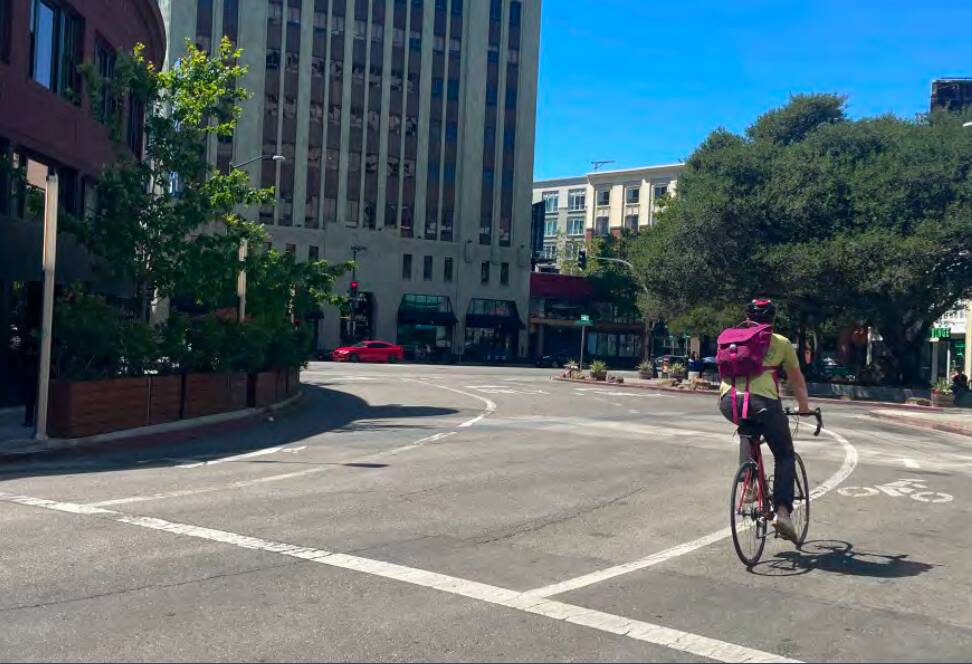
City of Oakland Department of Transportation: Franklin Complete Streets Project
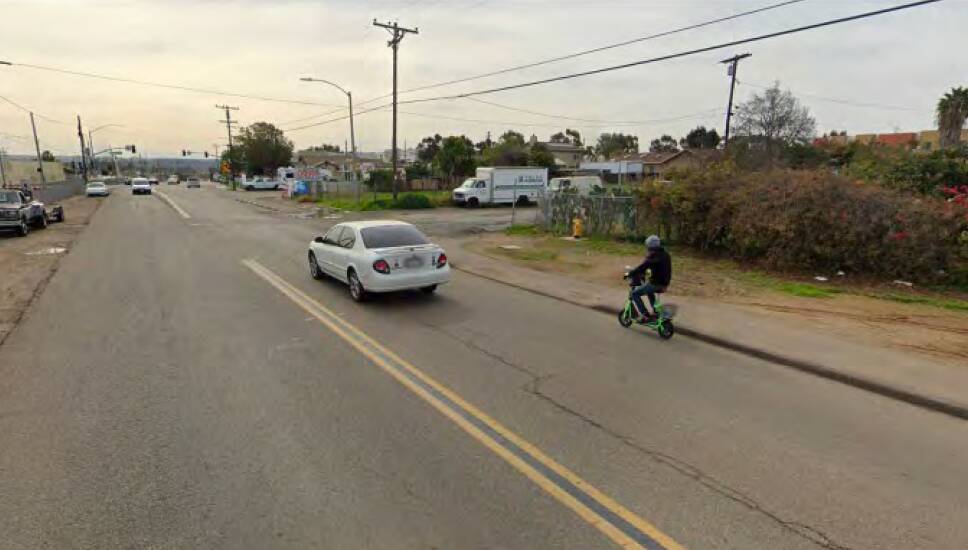
City of Chula Vista: Anita Street and Industrial Boulevard Bicycle and Pedestrian Improvements
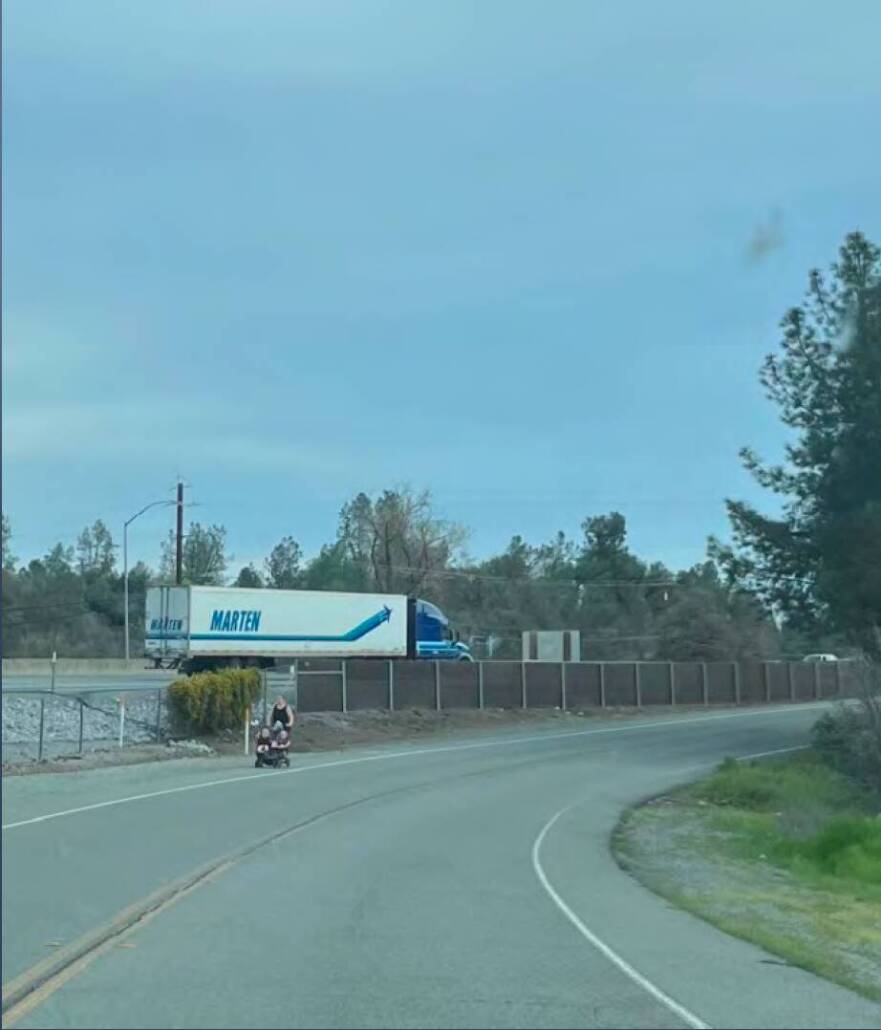
City of Shasta Lake: Link Shasta Active Transportation Network
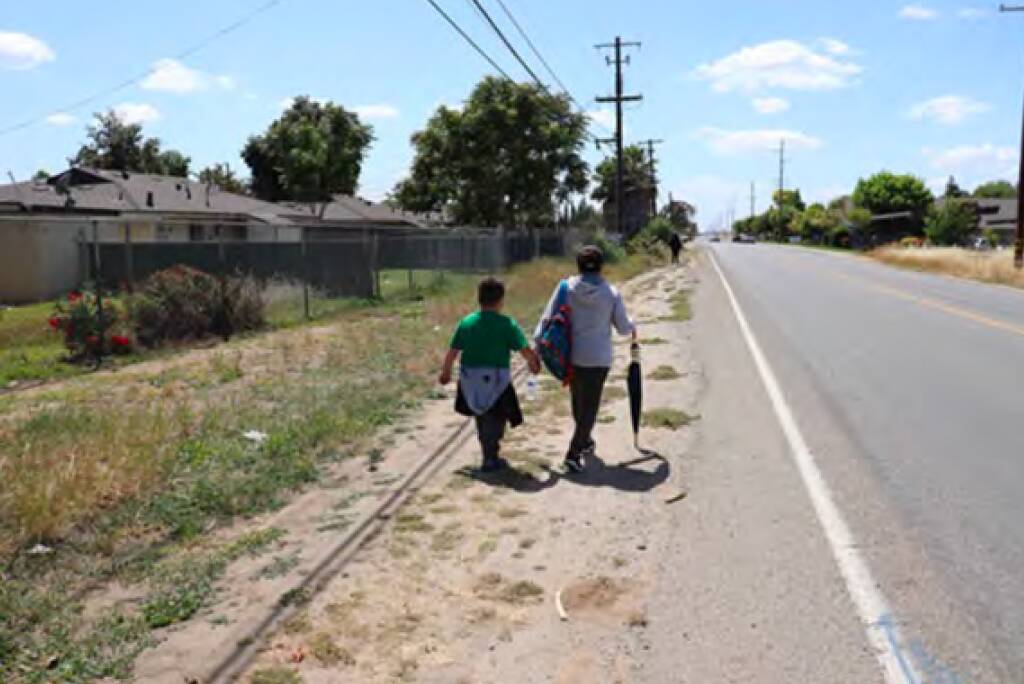
Tulare County: Cutler-Orosi Bicycle and Pedestrian Connectivity Improvements Project
This Is Why AB 2168 Matters
AB 2168 does not magically solve ATP’s oversubscription problem. Nothing short of more funding can do that. But when a program is this oversubscribed, the state has an obligation to make every dollar move faster, reach farther, and connect to larger transportation investments.
AB 2168 is not a substitute for aligning ATP funding to the vast need. To be very clear, to succeed, the program needs far more money. CalBike has previously called for at least $1 billion per cycle, which would still be a small fraction of California’s transportation spending.
Reform and funding belong together. If California is going to keep asking communities to compete for scarce safe streets dollars, it should at least make the program better aligned to the state’s priorities, harder to stall, and better connected to the larger transportation budget.

