
Caltrans Unveils Transit Policy
After some delay, Caltrans recently released its draft Director’s Transit Policy, as required by the Complete Streets Law, SB 960, which CalBike helped pass in 2024. This internal policy is similar in form and function to DP-37, the Director’s Policy for Complete Streets, released in 2021.
As we know from DP-37, these policies are a major commitment on paper, but implementation can be lackluster, and Caltrans often balks at actually committing state transportation funds to alternative modes of mobility (walking, biking, transit, etc.). Internal director’s policies are a great first step, but to actually move the behemoth of Caltrans will take dedicated follow-up to ensure the greener infrastructure is being built. The first step is reviewing the draft policy and providing public comment; CalBike is working on that.
Seeking feedback on transit priority policies on state routes
The Caltrans Director’s Transit Policy will serve as a high-level guide that outlines the department’s commitment to supporting public transit on the state highway system. The policy encourages flexible, context-sensitive solutions to better connect and improve transit options for people of all ages and abilities. Where feasible, Caltrans will integrate public transit features within highway projects to strengthen transit networks across the state. To put the policy into action, Caltrans is also developing an implementation plan with specific steps and strategies. This plan will be informed by input from partners and stakeholders and is expected to be released in summer 2026.
Caltrans is currently seeking public feedback on the draft policy. Comments are due Monday, August 18, 2025. We encourage our members to pay attention to this policy so that it can be substantively used to advance more transit options on the state highway system. Caltrans is also having a workshop on Wednesday, August 6, 2025, from 10 a.m.-12 p.m., for the public to engage directly. Register here to attend.
Transit struggles
The fate of public transit continues to be a significant political and policy issue, as advocates attempt to secure more funds for transit in the state budget. Despite stopgap funding measures, transit is still not sustainably funded and receives a small amount of the total transportation budget.
Since the pandemic, many transit operators have been struggling to cover operating costs as they work to reclaim ridership. In 2023, SB 125 established the Transit Transformation Task Force led by the California State Transportation Agency to develop policy recommendations to grow transit ridership, improve the transit experience, and address long-term operational needs. This task force continues to meet to develop its final recommendations.
Without transit, California’s urban centers would be nearly impassible, with gridlocked freeways and local streets and more traffic carnage for vulnerable road users. CalBike supports robust transit systems, which are a vital component of safe streets for everyone.
Adding Bikeways to State Routes: Two Local Advocates Share Strategies for Change
Getting bikeways, crosswalks, or other Complete Streets elements into a Caltrans project can be challenging. Convincing Caltrans to alter a previously approved project to add bikeways is an even bigger lift, but local advocates in the East Bay did just that. We spoke with Robert Prinz, Bike East Bay’s advocacy director, and Drew Dara-Abrams, who sits on the City of Alameda Transportation Commission, about what worked to get Caltrans to change its plans.
The project: SR 61 from San Leandro to Alameda
The project, approved in the 2020 State Highway Operation and Protection Program (SHOPP), would repave State Route 61 from Davis Street in San Leandro, where it’s named Doolittle Drive with a 45-50 mph speed limit through Oakland, and across a bridge to become Otis Drive in Alameda, then move over to Encinal Avenue, bisecting the island city.
The most cost-effective time to build new bikeways is during repaving or repair work. CalBike’s Complete Streets bills all called for including Complete Streets in SHOPP projects. Yet getting Caltrans to take the infrastructure needs of people biking and walking seriously when planning projects that impact local streets has been a challenge. CalBike’s Incomplete Streets Report highlighted some of the excuses the agency has used to shortchange active transportation. With the passage of SB 960, the Complete Streets Bill, we are optimistic that Caltrans will do better on future projects.
But that doesn’t solve the problem of SHOPP projects approved in the past, some of which are only now being constructed. With SR 61, advocates faced the challenge of getting present-day Caltrans to honor Complete Streets obligations in a project initiated by past Caltrans. Here’s how they did it.
San Leandro to Oakland: Bike East Bay
Bike East Bay’s Robert Prinz worked mainly on the San Leandro and Oakland segments of the project, while local advocates in Alameda took the lead on the segment running through that city. The Project Initiation Document (PID), completed in 2020, failed to reference local bike plans from Oakland and San Leandro calling for protected bikeways on Doolittle Drive, even though the bike plans predated the PID. Bike East Bay pointed this out to Caltrans; Prinz has email threads going back to 2020. It took until 2024 for Caltrans to agree to reconsider the plan.
This segment covers a gap in the Bay Trail, a biking and walking trail that is envisioned to one day provide an unbroken route around the San Francisco Bay. While a future Bay Trail segment is planned to connect to Alameda, a protected bikeway on Doolittle closes a “gap between where one part of the Bay Trail ends and another begins,” Prinz said, noting that there’s no room for a Class I separated path in this area, so a Class IV protected bikeway is critical.
Prinz noted that some SHOPP projects do a good job with active transportation infrastructure, but the process could use more transparency. “We’ve had some good SHOPP projects funded, and it’s just a mystery as to why,” he said, citing a $40 million Complete Streets project in Union City and Fremont that he didn’t know was in the pipeline.
The breakthrough for Prinz was getting Caltrans to come to a meeting of the Infrastructure Committee he chairs on Oakland’s Bike/Ped Advisory Commission. It was hard for Caltrans staffers to refuse — their office is just two blocks from OakDOT’s. “Later we learned that Oakland DOT staff had been saying the same thing to Caltrans,” he said, noting that “ultimately I think it was Caltrans hearing from a lot of different partners” that got them to add a bikeway to the plan.
Prinz also cited the local bike plans as essential to the process with Caltrans. “Plans matter,” he said. “Very often, plans get overruled, but it does still help if you can point to something in one or more adopted plans to back up your requests.” He added, “Individual design details are important, and I wish we could spend more time working on that.” Making sure the bikeway is usable and “not just a line on a map,” he said, is just as important as the bikeway class, noting that some of Oakland’s bike lanes have had to be upgraded multiple times as design standards change.
He also cited the value of having more pools of advocates when working on a cross-jurisdictional project like this one. He hopes to see more advocates looking across borders and joining forces to work on projects that span multiple cities because “most people don’t bike in only one city.”
Alameda: Drew Dara-Abrams
Drew Dara-Abrams describes the four-lane state route that cuts across Alameda as running next to a city park, an elementary school, and houses with minimal setbacks. It’s the kind of roadway where cities like Alameda have consistently added bulbouts and other traffic calming features.
Not so with the Caltrans project. “Caltrans is stuck in the past of auto throughput, auto throughput, auto throughput,” he said. “Compared with all the design aspects we can expect to be part of a process for locally controlled roads, it’s just a black box.” When he first reached out to Caltrans to ask why project plans didn’t reflect statewide Complete Streets policies adopted in 2021, district staff said certain project documents were filed internally in 2019 and therefore avoided all subsequent requirements — including policies requiring sign-off on Complete Streets reviews by their district leadership.
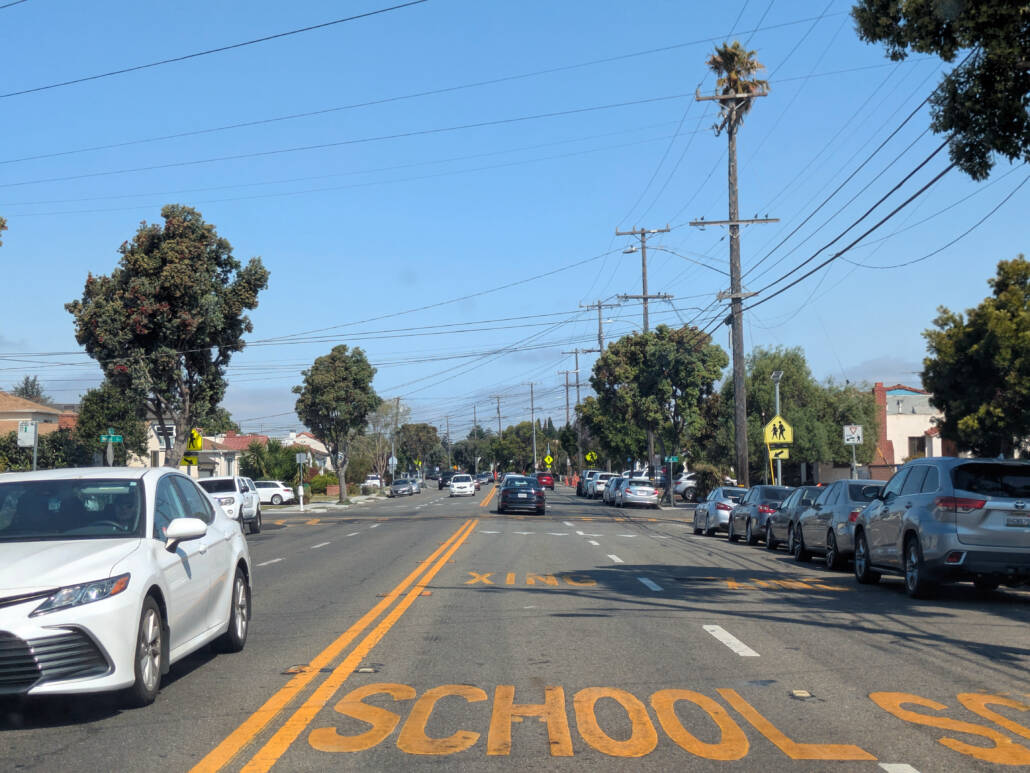
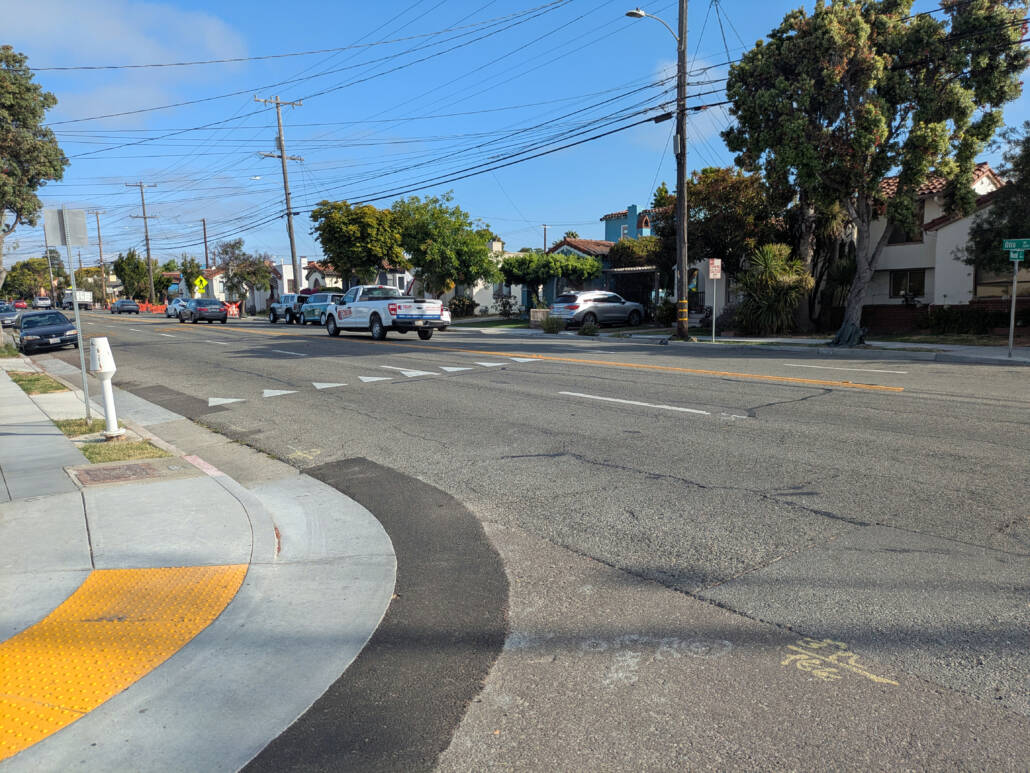
Photos of Otis Drive in Alameda courtesy of Drew Dara-Abrams.
Like Prinz, Dara-Abrams also found that getting Caltrans staff to a public meeting was crucial. Holding a City of Alameda Transportation Commission meeting on the project “enabled residents to write in and attend and speak,” he said. “That really brought some light to the project.” They got 40 pages of emailed comments, including a letter from the principal of the neighboring elementary school. Public awareness and input didn’t move Caltrans, but it moved local leaders to meet with Caltrans staff, which was an important part of the process.
Dara-Abrams began writing about the project on his blog in 2023 and describes his advocacy as “pingponging back and forth between different groups and local leaders, which helped elevate this and make the local Caltrans district care at a leadership level.” Involving Caltrans leadership was crucial. “It turned out city staff and Caltrans staff had been going back and forth about the project for years,” he said. “The impetus for change has to come from the leadership level to give them permission to do things that might take a little more time or a little more budget.” With public scrutiny, Caltrans could no longer ignore local staff.
He said getting to know local staff was crucial because they know what projects are coming up. He’s learned from them and given himself an education in reading complex Caltrans and CTC documents.
In the short run, the changes make Caltrans staffers’ jobs harder, Dara-Abrams says, but “in the long run, this is in Caltrans’ interest — getting these details right.”
CalBike: Support from the statewide bike coalition
While local advocates took the lead in working with Caltrans on the SR 61 project, CalBike played a supporting role. We wrote letters of support and helped open lines of communication with Caltrans staff, while continuing to put pressure on district and headquarters regarding their CS policies and SB 960, which was signed into law during this time.
Hearing a similar message from a number of organizations let Caltrans know that people were paying attention and helped elevate the message up the chain of command to key decision-makers. This included an official response letter from then-District 4 Caltrans Director Dina El-Tawansy, who has since been promoted to Caltrans director at headquarters in Sacramento.
“The work Robert and Drew did on this project shows what’s possible if you’re persistent in working with Caltrans,” said Jared Sanchez, CalBike policy director. “I hope to have the opportunity to support more local advocates in finding the right levers to apply pressure to improve local projects.”
Results and takeaways
For both segments of the project, the advocates didn’t get everything they wanted. On Doolittle Drive, the bike facility won’t be very wide and doesn’t provide separation as robust as many other new East Bay bikeways. But, Prinz said, “It’s all iterative. We want Caltrans staff to get more experience with this kind of stuff, and we’ll get them to beef it up at some point.” And, once complete, this will be one of the longest Class IV bikeways in Oakland, and the only one east of Fruitvale Avenue.
In the Alameda segment, there will be small but targeted additions of pedestrian refuge islands and curb extensions at popular intersections, which fell short of the lane reductions local advocates wanted. But they got a promise from Caltrans District 4 to study a road diet and potentially implement lane reductions. That project is expected to get programmed into the 2028 SHOPP with construction in 2032, moving at the normal, glacial pace of Caltrans projects. CalBike’s Quick-Build Bill could provide more momentum, especially for projects that address safety hazards for vulnerable road users. The bill would allow Caltrans districts to use quick-build methods, when warranted, to swiftly address dangerous roadways.
“The fact that Caltrans was willing to update their plans at all is progress,” Prinz said. “It’s been a long process, but thanks, Caltrans, for listening.”
Key takeaways from this project:
- Take your concerns to district leadership, and also reach out to staff at Caltrans headquarters and the California Transportation Commission, which provides funding for SHOPP projects.
- Hold public meetings with Caltrans staffers present to hear comments and answer questions.
- Ask Caltrans staff for project initiation documents, traffic analyses, and engineering plans. Use these materials to ask targeted questions and propose specific improvements.
- Be persistent. Working with Caltrans is a long-term project.
- Find your allies. Work with city staffers, elected officials, other advocacy groups, and people who live in adjacent cities or neighborhoods toward your shared goal of safer streets and connected bike routes.
CalBike continues to work at the state level to implement better policies on our state-controlled streets. Those policies pave the way for more transparency at Caltrans and a greater role for local communities in shaping the roads that run through their neighborhoods.
CalBike Insider: Updating Bike Parking in Green Building Codes
A secure place to park is essential to making bicycling an appealing way to get around. So, CalBike and 17 of our local partners submitted a letter to the California Building Standards Commission, which is updating California’s Green Building Standards Code. Including robust residential and commercial bike parking standards in those codes is an important step to creating bike-friendly neighborhoods.
Bike parking standards
The letter outlines several basic suggestions:
- Refer to and follow the Association of Pedestrian and Bicycle Professionals (APBP) Bicycle Parking Guidelines.
- Require some bike parking spots to accommodate larger bikes such as e-bikes, cargo bikes, and adaptive bikes.
- Site short-term bike racks near entrances — ideally within 50 feet, but no more than 100 feet away.
- Include at least one long-term bike storage space per residential unit in multifamily buildings.
- Provide access to charging outlets for e-bikes with long-term spots.
- Use only APBP-approved bike racks.
Restrictions on new building codes may affect bike parking regulations
The letter also asked for clarification on the impact of AB 130, a new law intended to encourage more residential construction by easing requirements. The bill prohibits new building standards unless certain conditions are met. Hopefully, the rush to get more residential units built won’t leave bikes in the dust.
Advocacy continues
The new bike parking standards are expected to go into effect on January 1, 2026. However, the California Department of Housing and Community Development is holding a workshop on July 30, which might be the final chance to give feedback on the new bike parking requirements. CalBike will be there, continuing to advocate for safe, abundant bike parking in and around new buildings.
Read the full letter.
Automated Speed Enforcement Cameras Show Prevalence of Speeding
In 2023, CalBike supported AB 645, which created a pilot program for six cities to install cameras for automated speed enforcement. San Francisco is the first to have its cameras fully installed and up and running, and the program is yielding a trove of data. The biggest takeaway will come as no surprise to people who bike and walk: a lot of drivers speed.
Useful data
San Francisco started installing its 50 speed cameras in March and completed installation in early June. The San Francisco Metropolitan Transportation Agency (SFMTA) will issue warnings until August 6, 2025, when it will start sending tickets for violations.
San Francisco has created a dashboard where the public can access data about the program. As of July 8, SFMTA has issued almost 132,000 warnings to people driving 11 mph or more over the posted speed limit, showing how widespread speeding is in the city.
Almost one-third of the speeders were clocked at just two intersections: eastbound and westbound at 2530 Fulton Street next to Golden Gate Park, between Arguello and 2nd Avenue, and northbound at 511 Bryant Street near 3rd Street (Bryant is one-way). More than 28,000 warnings were issued at the Fulton Street location and over 14,000 on Bryant Street.
Next steps for automated speed enforcement
San Jose is hoping to get speed cameras installed this summer to go live by fall, and Oakland plans to have cameras online by this winter. Glendale is aiming for late 2025, and Los Angeles plans to launch its program in 2026; there’s no start date for automated speed enforcement in Long Beach yet. If all these cities share data from their speed cameras with the public, it will provide valuable insights into driver behavior at the most dangerous intersections.
Tickets under the pilot program start at $50 and go as high as $500, but low-income drivers pay reduced fees. Given the prevalence of speeding found in San Francisco, the program could be a significant source of revenue once cities start issuing tickets. But hopefully, those numbers will go down as drivers become aware of the program. Gathering consistent data on how many people speed can reveal spots that put vulnerable road users at risk, beyond crash data. That can show where additional signage or infrastructure for traffic calming might be needed and provide a roadmap for future infrastructure improvements to make California streets safer.
Don’t Believe the Myths About VMT Mitigation
Recently, Big Highway — the companies that profit off expanding highways and driving California to climate ruin — spread misinformation about vehicle miles traveled (VMT) mitigation requirements driving up the cost of freeway building. So ClimatePlan, a consortium of advocacy groups of which CalBike is a member, created a fact sheet to dispel the VMT myths and set the record straight about mitigation costs and benefits. Please take a walk deep into the weeds with us as we nerd out on a proposed VMT mitigation bank and the costs of road building, both financial and societal.
VMT explained
We can’t explain VMT any better than the ClimatePlan fact sheet. Here’s their basic explanation:
“Vehicle miles traveled” (VMT) is a measure of driving.
- One vehicle driving one mile = 1 vehicle mile traveled, or 1 VMT
- One vehicle driving two miles or two vehicles each driving 1 mile = 2 VMT
Read the fact sheet for more details on VMT.
Why does CalBike care about VMT?
The transportation sector is responsible for about half the greenhouse gas emissions in California, so getting people to drive less is one of the more effective ways to combat climate change. VMT affects pollution levels, which impact people biking and walking. And VMT affects quality of life. CalBike’s mission is to create livable neighborhoods where people can get where they need to go safely with a variety of transportation options. Transportation deserts, where people are forced into a car to get anywhere, are bad for communities and health.
VMT mitigation funding can be used for biking and walking infrastructure improvements, so California’s commitment to reducing VMT can support our mission of gaining more funding for active transportation projects. A proposal to create a VMT mitigation bank to collect and dispense funds to transit-oriented development projects that reduce VMT would also include funding for improved active transportation infrastructure adjacent to those projects.
What about EVs?
Electric cars and trucks solve some but not all of the issues with VMT. Projects that add highway lanes induce more driving and don’t solve the congestion problem that initiated the project in the first place. More cars on the road, whether powered by fossil fuels or electricity, means more time spent driving for those in the cars; importantly, it also means more exposure to collisions for vulnerable road users traveling on shared roadways. Plus, we can’t make the transition to electric vehicles quickly enough to prevent the worst impacts of climate chaos.
The bottom line is this: we drove ourselves into a world of extreme temperatures, extreme inequality, and extremely poor health. We can’t drive ourselves out of it — we’ll have to take the train, walk, or bike.
What California invests in grows. If we keep investing in new highway lanes, driving, pollution, and VMT will keep increasing. If we instead invest more in connected, projected bike networks, quick-build safety projects, transit priority lanes, and other projects that expand access to sustainable transportation, we’ll start to make a meaningful shift away from clogged freeways and toward a future full of bicycles.
Youth Bike Summit 2025: A Magical 3-Day Weekend
This guest post was contributed by Joshua of the National Youth Bike Council.
The Youth Bike Summit is a three-day conference, held every year since 2011 (except in 2020 and 2021). This year, the Youth Bike Summit turned 11 years old and came to Boston for the first time at the end of May. It created a collaborative space for young people and bicycle program staff members to meet and share ideas. Politicians, students, educators, and advocates gathered to cultivate youth leadership through bicycling, celebrate youth excellence, educate everyone on civic engagement, and much more. This year, the National Youth Bike Council partnered with co-host organizations in Boston, Mattapan Food & Fitness Coalition, and Bikes Not Bombs, to put on the Summit. Over 200 attendees from 52 cities and 17 states assembled in Boston to explore the power of learning through bicycling. 53.20% of them were youth (24 and under). Together, we explored how bikes are tools for joy, leadership, and justice.
Youth Bike Summit Highlights:
- 1,492.5 miles biked
- 53% youth majority in attendance (ages 24 and under)
- 200% increase in organizations represented compared to 2024
- 27 workshops over 3 days
- $16,947 saved in affordable housing for attendees
- 2 youth leaders honored
- 1 Big Bicycle Ride (and 7 other mobile workshops)
Breaking the ice
The event started on Friday evening and ran until late Sunday afternoon. Friday included icebreaker activities for the students to start the weekend with a new friend. This year, participants had UNO battles, Jenga matches, and chess duels. On the way in, attendees were greeted with an attendee goodie bag and a Youth Bike Summit 2025 edition shirt. They could show off their new items at the 360-degree spin camera or craft memory items in a makerspace provided for hands-on learning. This Youth Bike Summit also included a live singer, live musicians, and a DJ with dinner.
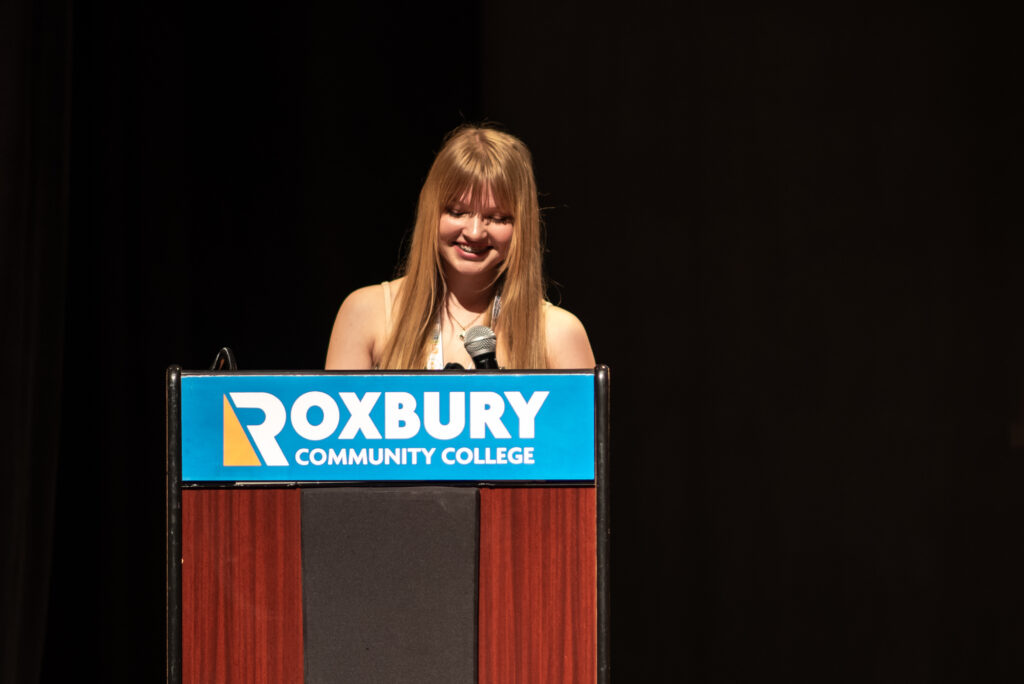
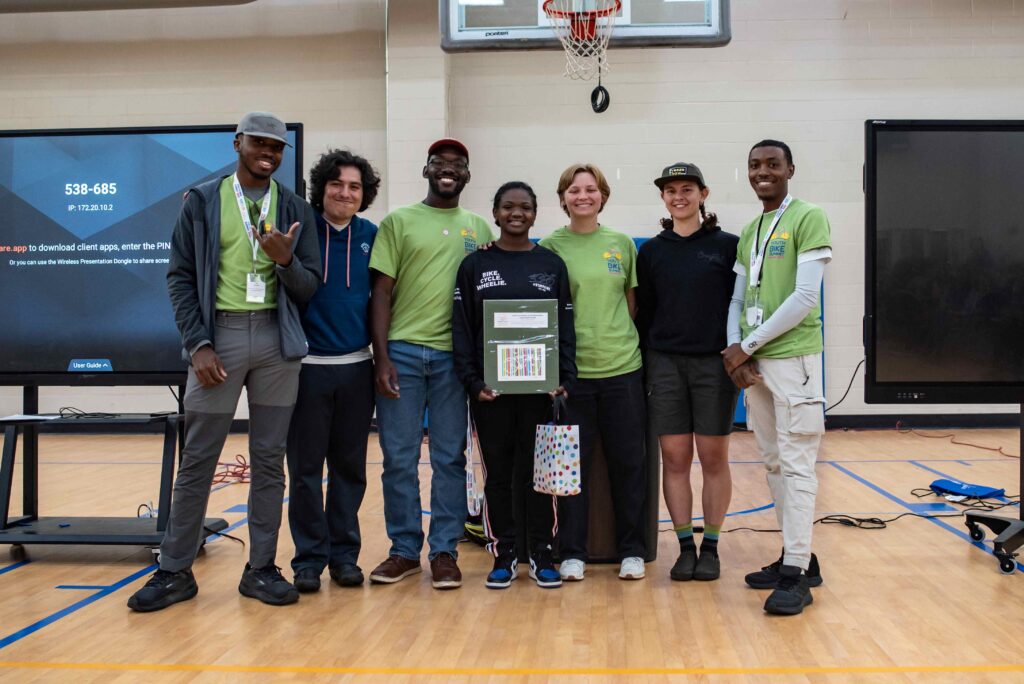
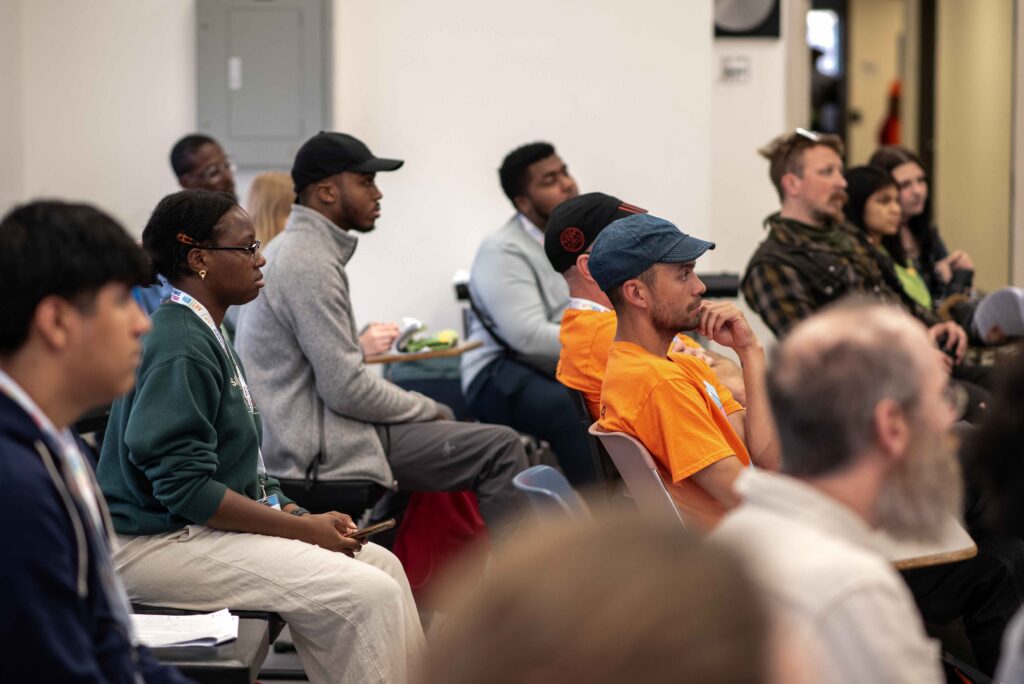

While Friday focused on camaraderie, Saturday focused on calls to action to the youth leaders and program staff at the 9 a.m. plenary gathering.
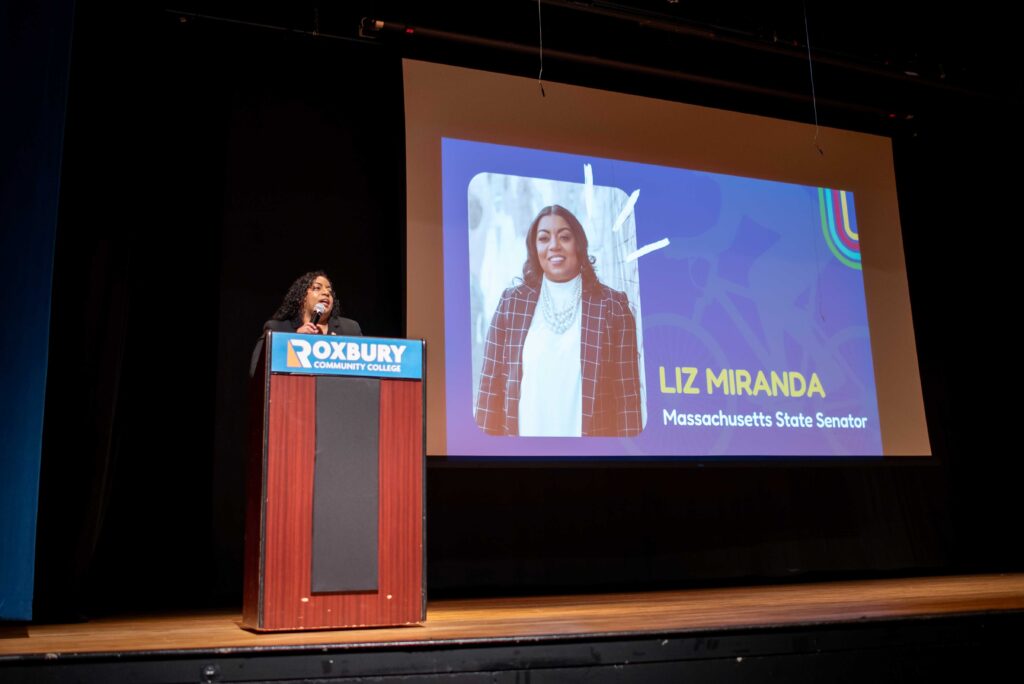
Massachusetts State Senator Liz Miranda gave a speech on how elected officials make a difference in the city and why speaking up is important. “Don’t forget to engage with your political leaders,” Miranda said. She finished by saying, “If your communities are not safe, if it’s not a healthy community, like the one I grew up in. You have the power to use your voice and to tell people that I am somebody that matters, and I live in your community, and I want a change.” This message was mirrored by National Youth Bike Council members Lot and Pablo, who led the crowd through chants of “Beyond the Bike!”
One of the staples of the Youth Bike Summit is peer-to-peer encouragement and the opportunity to inspire the next generation with the stories of today. Anika P, the youth keynote speaker, a college sophomore from Massachusetts, shared her story. She discussed reviving a bike club at her school and how that led her to eventually speak with her state senators and representatives on bike safety awareness and legislation to make roads safer for bicyclists.
Vivian Ortiz, Boston’s first “bike mayor,” also joined the leaders of the host city and the National Youth Bike Council members in celebrating the distances that individuals have traveled to get to the event during the plenary.
Everybody Learns at the Youth Bike Summit
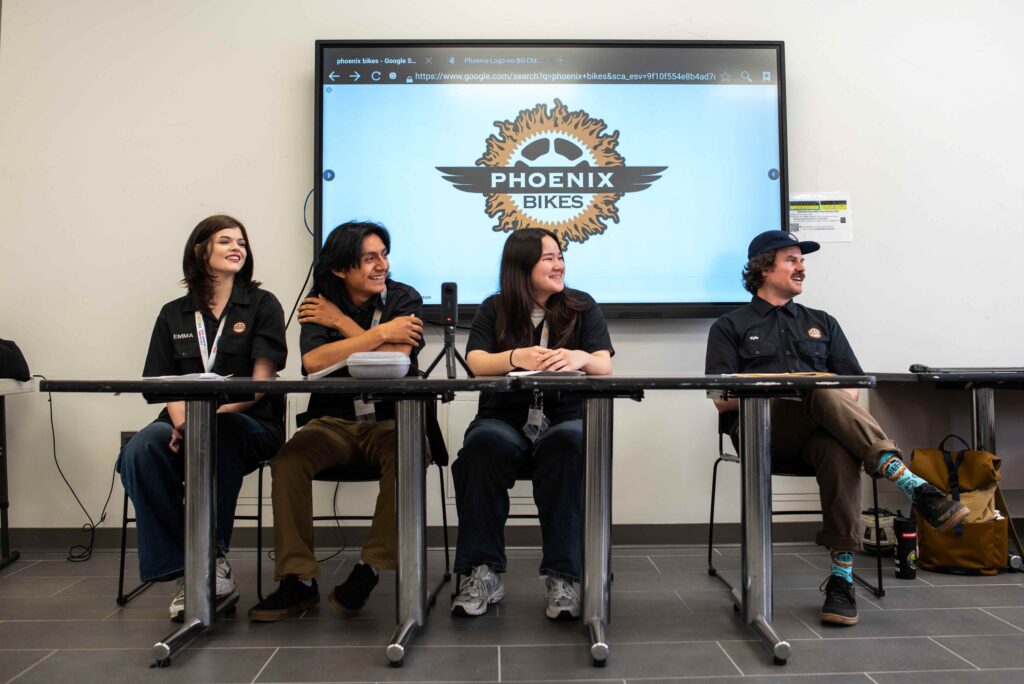
Presentations were on the theme of “Beyond the Bike.” Learning sessions included information on bike mechanics, bike art, group rides, environmental justice, and bikes on campus. Attendees could participate in mobile workshops, including a tour of the Neponset River Greenway, and there was a big group ride on the last day. Participants talked about learning to fix bikes through an internship program for high school students and the challenges of running programs like that.
Not all mobile workshops featured bicycling; some captured the essence of staying active while educating. For example, one mobile session challenged participants to experience safety through a new lens as they evaluated crosswalks and pedestrian behavior.
One Big Ride
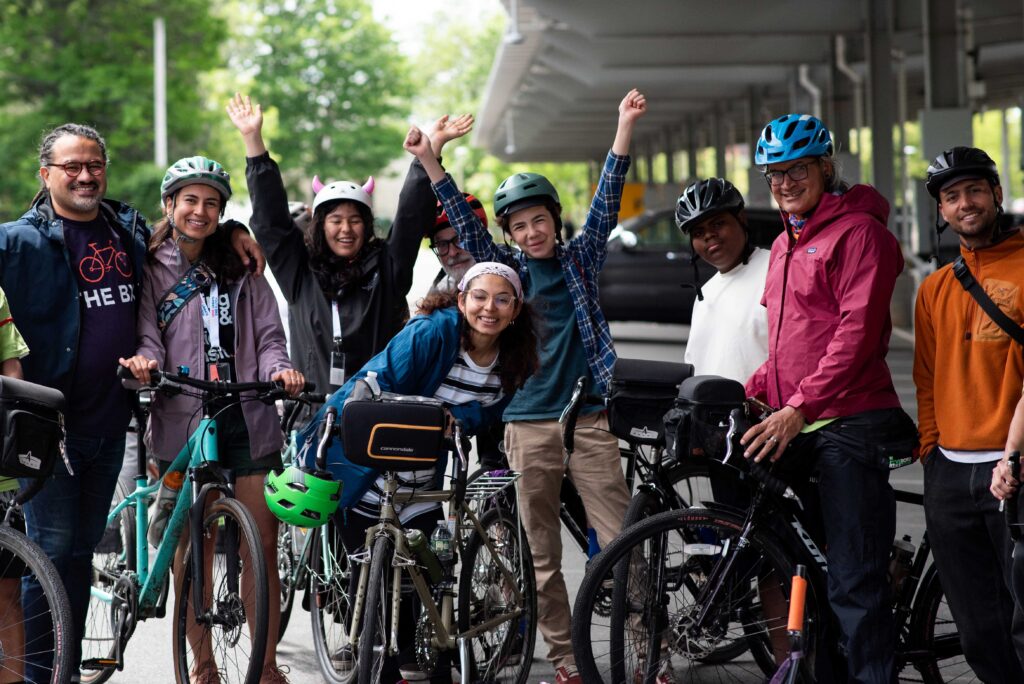
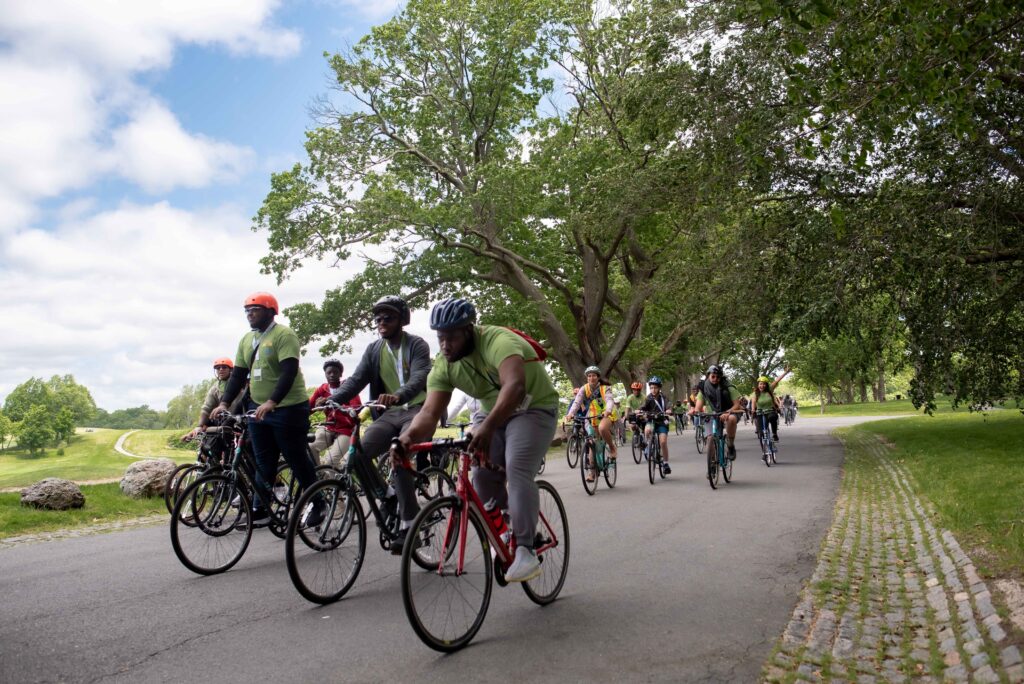
On the last day of the Youth Bike Summit, everyone gathered for a huge bicycle ride, which included local riders from Boston Critical Mass, who helped lead the ride and showed off what Boston biking has to offer. The 10-mile ride through Boston started at Roxbury Community College, headed toward UMass Boston, continued through Franklin Park, and finished at Roxbury Community College. The ride was a joyous event, with riders shouting good morning to neighbors in passing, ringing their bells, and cheering at large intersections.
After the ride, the Youth Bike Summit ended with a visioning session. This year’s visioning session included speakers Alison Dewey of the League of American Bicyclists and Jose Masso, the Chief of Human Services for the City of Boston. Both speakers expressed support, offered motivation, and shared resources for staying involved in bicycling and community organizing.
We deeply appreciate our sponsors, who are responsible for helping create an affordable and rewarding experience at the 2025 Youth Bike Summit. We are glad to credit the following organizations in helping gear up the next generation of youth leaders: Hub Luv (The Title Sponsor), Lawson Valentine Foundation, Boston Children’s Hospital, SRAM, The League of American Bicyclists, Toole Design, Transportation for Massachusetts (T4MA), Piscitello Law, Invest in Women Entrepreneurs, and Velocity Bicycle Cooperative. We are extremely thankful to our partners who helped craft the 2025 Youth Bike Summit experience: Manhattan Portage, Cycling Out Loud, Helmet Flair, and Redshift Sports.
We can’t wait for next year!
CTC Backs Doomed Highway Project
Meetings of the California Transportation Commission (CTC) usually fly under the radar with few, if any, members of the public aware they’re happening, much less showing up to comment. But a raft of grants proposed for contested highway projects, including the Highway 99 interchange in Fresno and State Route 37 widening, drew opposition from transportation advocates and attention in the press.
CalBike Executive Director Kendra Ramsey joined a number of other advocates in attending the June 26, 2025, CTC meeting. She testified against funding to add lanes to SR 37, which is already subject to flooding and will be permanently underwater, due to sea level rise, by the middle of the century.
Where California invests its transportation funds is crucial
As our climate grows hotter and our roads and freeways become ever more congested and unmanageable, we need new solutions. We need to invest in projects such as those proposed in the Bike Highways Bill, AB 954, which would add connected bike networks to state transportation plans, helping to make biking a viable transportation option for people of all ages and abilities. We need to increase funding for the Active Transportation Program (ATP), which supports biking and walking projects across California. We need to invest in transportation infrastructure that provides options outside of a car, not trapping people behind a steering wheel.
Yet Caltrans and our elected leaders are moving in the wrong direction. Governor Gavin Newsom stripped $400 million from the ATP last year, leaving the program able to fund only 13 projects in its last cycle. Despite a promise to restore the funds, the budget deal just approved by the legislature and signed by the governor doesn’t give back the missing funds. And Caltrans continues to promote projects that don’t offer long-term solutions to our transportation problems but do add to the carbon burden in our atmosphere.
California pays lip service to addressing climate change in numerous policies, but its actions — especially its budget allocations — turn those policies into hollow promises. It’s time for our state to invest in active transportation and fostering neighborhoods where walking, biking, and taking transit are comfortable and easy ways to get around.
Moving toward invest/divest
Leaders consistently use budget shortfalls as an excuse for underfunding sustainable transportation, but we have the money. We simply need to divest from climate-killing projects that move us backward instead of forward. CalBike’s Invest/Divest campaign seeks to redirect funding from reckless highway building and use that money to give Californians true transportation choices.
The advocates didn’t win this round at the CTC. Predictably, the commission voted to allocate funds for SR 37 and other projects opposed by advocates. But this is a long campaign that won’t be won or lost in one hearing. We succeeded in shedding light on CTC and Caltrans operations, which depend on a lack of public scrutiny to keep building highways like it’s 1979. CalBike will continue to be vigilant, turn up with our allies, testify at hearings, and let our state transportation leadership know they will be held to account for their decisions.